Author: Admin01

Tracy Tutor’s Blue Side Slit Maxi Skirt

Tracy Tutor’s Blue Side Slit Maxi Skirt on Her Instastories

Million Dollar Listing LA 2020 Instagram Fashion

Tracy Tutor definitely wasn’t feeling blue in her side slit maxi skirt on Instastories. I mean a vacation, an Amazon best-seller and a great lewk? What more could a girl want? I on the other hand want all of that after seeing her Puerto Vallarta getaway. It looked so beautiful and like the perfect place for a little R&R.

The sun was out which means so were the buns legs. I mean everyone knows that when your skirt has a side slit you have to have that leg popped and posed at all times. Which is why this skirt (or similar) is the perfect piece to go with a swimsuit for a beach/boating day. Unfortunately hers is sold out, but it’s slit szn so there are plenty in our Style Stealers for your mirror photo shoot  summer outdoor adventures.


Sincerely Stylish,

Jess

Click Here To See Her Sold Out Jacquemus Blue Sid Slit Knit Skirt

Photo : @tracytutor

Originally posted at: Tracy Tutor’s Blue Side Slit Maxi Skirt

Read More

Dorit Kemsley’s Grey Cropped Logo Tee

Dorit Kemsley’s Grey Cropped Logo Tee on Instastories

Real Housewives of Beverly Hills Instagram Fashion

While most of us have been saving money by staying home in loungewear the last few months in the Q, Dorit Kemsley seems to not have been entirely on the same planet plan. This is purely based on the fact that I’m currently typing the second post I’ve done on her wearing $600+ “loungewear” tops this morning. However this doesn’t mean I’m hating or judging, it’s more of a I want to be you thank you for keeping the content coming because when my kids climb all over me in my $30 tee it’s certainly not worthy of the ‘Gram.


The Realest Housewife,

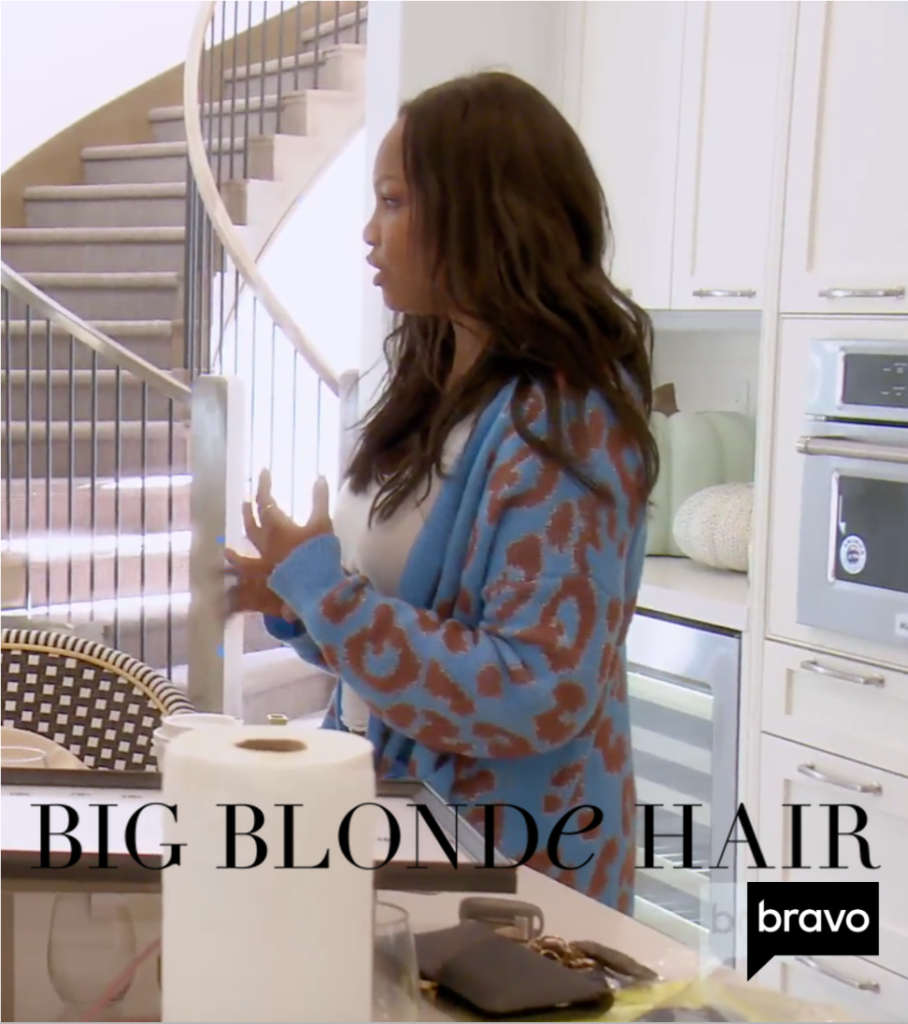
Big Blonde Hair


Dorit Kemsley's Grey Cropped Logo Tee

Click Here to Shop her FENDI Tee

Photo: @DoritKemsley

Originally posted at: Dorit Kemsley’s Grey Cropped Logo Tee

Read More

Normani, G.E.M. & Camila Mendes are “Pretty Different” in Urban Decay’s New Naked Palette

A new set of stars has joined Urban Decay’s Global Citizens collective, which means it’s time for a new “Pretty Different” campaign. Normani, G.E.M. and Camila Mendes look incredible modeling the also new Urban Decay Naked Ultraviolet Eyeshadow Palette. The bold purple hues pop against each of their skin tones. According to a press release from the brand, these women “personify the brand’s founding DNA,” challenging “the status quo by celebrating differences and embracing unapologetic individuality.”

Last year, Lizzo, Ezra Miller, Joey King, Karol G, and CL starred in the first “Pretty Different” campaign, alongside the launch of the Naked Honey Palette. This year is just as gorgeous and a bit more colorful. Each of the three women is wearing a blend of purple hues while blowing a purple bubble: singer Normani, Hong Kong singer-songwriter G.E.M. and actress Camila Mendes. We have to say, these are perfect choices for the campaign.

urban decay citizens campaign

Image: Urban Decay.

Want to get their look? Same. The Naked Ultraviolet Eyeshadow Palette contains 12 ultra-pigmented purples and neutrals and a vegan, double-sided brush. There are metallics, mattes and shimmer finishes that are totally wearable even if you don’t have these ladies’ beauty skills.

urban decay

Image: Urban Decay.

Our mission at STYLECASTER is to bring style to the people, and we only feature products we think you’ll love as much as we do. Please note that if you purchase something by clicking on a link within this story, we may receive a small commission of the sale and the retailer may receive certain auditable data for accounting purposes.

beauty newsletter banner

Read More

What You Should Know About Normal Aging of the Spine and Chronic Back Pain After 60

Normal-Aging-of-the-Spine-and-Chronic-Back-Pain-After-60

Are you one of the
millions of people living with chronic
back pain
? Have you been told by a medical provider your pain is
due to arthritis? Or there is nothing that can be done about your back pain?

Cases of chronic low
back pain, which is pain lasting longer than 3 months, tend to increase with
age. The message we hear the most often is that pain is due to structural
changes within the spine. But research has shown that the risk factors for
developing chronic pain aren’t related to injury or tissue damage.

Let’s take a look at
what the actual risk factors are and when you should seek medical advice if
you’ve been living with chronic low back pain.

Is There a Correlation Between Back Pain and Age?

Approximately one in
three adults over the age of 60 will experiences low back pain. What’s often
left out of the discussion of chronic low back pain is that aging of the spine
is perfectly normal. Yes, it’s not even abnormal to start seeing signs
of arthritis on imaging as young as age 30!

More importantly,
arthritic changes within your joints don’t have to lead to chronic pain or
limited quality of life.

So, what gives and
where is your back pain really coming from?

Naturally, age causes
an increase in low back pain, but it’s usually not the reason why the pain is
there in the first place.

There are normal and
expected changes in the spine that come with age, including changes
in posture
, a decline in strength, signs of arthritis in the
joints, and changes
in flexibility
. The great news is that any of these can be
prevented or easily reversed with the right approach.

According to research
though, pain is more complex than just physical changes. The majority of low
back pain in older adults is not due to a specific problem, like broken
vertebrae or bulging discs.

When an MRI is
ordered, it’s highly likely that any of us will show some kind of damage within
the spine. But more often than not, the physical changes detected with imaging
are not the source of pain.

Research has shown
spinal changes associated with aging detected on an MRI have no correlation
with low back pain, especially with age. For example, spinal disc breakdown is
more likely to show up on an MRI as people age but is less likely to be a
source of pain
in older adults
than younger adults.

In fact, 60% of
adults over 60 years of age will show abnormal MRI results, regardless of
whether or not they have pain. Which tells that MRI results are not giving us
the full story of the root of chronic pain. 

And in taking a
closer look, there is really not much difference in reported pain levels
between younger and older adults. So, pain is likely not being caused by
changes that come with age.

Similar to symptoms
of back pain in a younger population, the pain older adults experience changes depending
on the time of day, with specific activities, or position changes. 

What Is Most Often Behind Chronic Pain: A Flared
Up Nervous System and Life Stress

We know that adults over
the age of 60 are statistically more likely to experience chronic low back
pain. However, this has more to do with changes in pain perception that come
with age as well as other risk factors including income level, prior work
exposure, anxiety, and depression.

Advancing age, as a
factor on its own, does not increase the risk of low back pain, but the
incidence of other risk factors correlated with pain increases with age.

The first thing you
should know is that your body is very resilient. Your spine is a highly stable
structure – one wrong move won’t just cause the whole thing to crumble. That
being said, we can be more mindful of movement for pain relief but avoiding
movement is not encouraged.

When Should You Seek Medical Advice?

It’s important to
note that most cases of acute, or new, back pain go away on their own within
several weeks. Only a small percentage of people with acute low back pain will
develop chronic pain, which continues for 3 months or more.

So, if you’re living
with chronic low back pain, when is it time to seek medical advice?

It’s always advised
to inform your physician if you’ve been experiencing any level of persistent
pain. Especially when that pain is accompanied by other red flag symptoms like
changes in appetite, loss of bowel or bladder control, or night sweats.

Your doctor can work
with you to determine a course of action and might recommend further tests to
get to the bottom of what is going on. If imaging is recommended, be sure to
request a follow up appointment to review the results.

What Can You Do About Your Back Pain?

The great news is,
there are many options for steps you can take to both lower the risk of
back pain and improve your symptoms.

The recommendations
for cases of low back pain have changed over the last few years, and the old
practice of bed rest for pain is now strongly discouraged. Movement is much
more effective than rest for reducing pain levels.

There is no one
specific type of exercise that has a benefit over another in terms of pain, so
the best program for you is one that you will be excited enough to do!

Anything from
dancing, to yoga, walking, or Crossfit all have benefits not just for back pain
but overall health. It might take a little trial and error but there’s no
reason you can’t get started today.

Activities as simple
as walking for 30 minutes five or more days per week and strengthening exercises
two or more days per week lower the risk of chronic low back pain.

Managing other risk
factors like poor sleep, anxiety, and depression through conservative
treatments like counseling and meditation is one of the most important pieces
of the puzzle! To get a jump start, check out this wonderful guide and
workbook
walking you through your chronic pain experience.

If you aren’t sure
where to start or have other health conditions, a physical or occupational
therapist can help safely establish a plan of attack for your back pain.
Remember, changes within the spine are a normal part of aging but should never
limit how you live your life!

And finally, be sure
to continue to have discussions with your medical provider about what
treatments you can consider.

What
steps can you take to start to manage your back pain today? Have you been
ignoring the signs of lower back pain? What is stopping you from reaching out
to your medical provider? Have you tried exercise to decrease the pain? What
are the results? Please share with our community!

Disclaimer: This article is not intended to provide medical advice. Please consult with your doctor to get specific medical advice for your situation.

Read More

What’s Your Vitality Plan for Your 60s and Beyond?

Building financial security and staying healthy are consistently listed as top aging concerns for adults over 55.

Most of us know that creating a financial portfolio (make a plan, balance assets, make regular deposits) is important to ensure lifelong financial security.

But what about your vitality? Do you have a plan?

Using the familiar structure of a financial portfolio, the Vitality Portfolio® strategy encourages you to create a practical roadmap for lifelong health. Make a vitality plan, balance vitality assets (functional, core, and wellness assets), and make regular deposits.

Planning

How long do you expect to live? I ask this question during keynote speeches and people always seem to have a number in their head. In future blog posts (Aging – It’s a Family Affair), we’ll explore how people come up with it.

For now, consider your number – and more importantly, consider what you want to be able to do through your 60’s, 70’s, 80’s, 90’s and 100’s! Making a vitality plan helps you set, track and reach your goals.

Functional Assets

Strength, mobility and endurance are “mission critical” assets for maintaining independence. Yet optimizing function through physical activity is the most underused healthy aging strategy available today! It’s easy to disregard functional changes that happen gradually, so here’s some food for thought.

Statistics don’t motivate action unless they’re personally relevant. For example: Strength declines approximately 1-1.5% per year after about age 30. That doesn’t sound like a lot until you do the math. If you’re not regularly challenging your strength, you’re losing it – on average that’s about 60% by age 70 and 75% by age 80.

Imagine going about your daily life carrying a backpack filled with your body weight (i.e., half the strength requires double the effort). Consider how difficult daily tasks would become, and how many activities you would have to give up.

Physical frailty is common and predictable with age, but it’s not due to age nor is it inevitable. Studies show that even over-90-year-olds can prevent and reverse the loss of muscle mass and strength with resistance training.

Take Charge!

If you get fatigued while walking – walk more! If you’re having trouble rising from a chair, do it more; every time you sit down, stand up and sit down three more times. See how many knee lifts you can do during TV commercial breaks or commit to standing up and sitting down 5-10 times during each commercial break.

To maintain the gift of mobility, gently stretch and move your muscles and joints through every range of motion. Embrace cardiovascular exercise to help your heart, lungs and blood vessels deliver oxygenated blood throughout the body.

Endurance activities bathe your brain in oxygenated blood which means that they are also closely linked to brain health! Get out and move briskly every day.

Walk, swim, dance, or even do seated exercises that elevate your heart rate – toe touches, heel presses, knee lifts, low kicks, marching in place – all with arm swings. Several simple downloadable movement programs are available on my website.

Age is not a diagnosis, so it’s only beneficial to confront functional challenges with physical therapy intervention. Consciously invest in lifelong functional independence.

Core Assets: Ageless Thinking and Resilience

Attitudes and expectations directly impact aging. Engage Ageless Thinking by consciously rejecting all negative expectations you may have of aging. Activate Resilience
by embracing adaptive strategies to overcome challenges – regardless of age.

30 years ago, people with disabilities were often institutionalized with no expectations or opportunities, and outcomes were bleak. The disability movement changed attitudes and expectations and literally transformed lives. Now young people with profound disabilities are given resources, tools and encouragement to overcome and live fully in spite of challenges – and they accomplish astonishing things!

Unfortunately, attitudes haven’t changed much for adults who face physical or cognitive disabilities later in life. They most often receive resources, tools and support to cope with disabilities.

There’s a profound difference in mindset between coping and overcoming – resulting in profoundly different outcomes. If you’re facing a challenge, take age out of the equation, embrace adaptive strategies, and insist on pursuing the fullest recovery possible.

Wellness Assets

Visualize the six dimensions of health – physical, social, emotional, intellectual, spiritual and vocational – as spokes on a wagon wheel. Consider how many deposits you regularly make into each dimension (spoke), and then draw your Wellness Wheel.

Are some “spokes” large (carrying most of the load) while others barely exist? Are you missing an entire “spoke”? It takes conscious effort to balance wellness assets across the body, mind and spirit.

Don’t leave your vitality to chance! Make a plan, balance your assets, and make regular deposits into lifelong vitality. Visit my website for a downloadable Vitality Portfolio® tool-kit to get you started.

Do you have a plan? Have you considered what “assets” you need to support lifelong vitality? Please share your thoughts in the comments below!

Read More