Author: Admin01

Here’s How to Get 14 Days of Free Gifts at CVS—And There’s No Catch

We’re all about free over here. Free gift with purchase, buy one, get one free and especially free with no catch—it’s all good with us. Well, say hello to CVS Pharmacy’s ExtraCare Extra Thanks event. It’s a mouthful but it’s not to be missed. If you’re an ExtraCare member (and if you go to CVS ever you probably are), you just have to download the app and attach your card. Then, you head to the “Deals” section and a new surprise will pop up daily with a free deal. You don’t have to buy anything to access the freebie of the day.

The gifts will range from CVS branded self-care products, to snacks to beauty products. When you see something you want, you simply send the product to your ExtraCare card digitally in the app to redeem the free gift/s in-store or online while supplies last. For example, today’s gift is Gold Emblem Gummy Bears and I will be grabbing the cinnamon ones when I head over to grab paper towels and trash bags and maybe a face mask or two.

cvs

Image: Elizabeth Denton.

Now that I’ve been forced to download the app (for, you know, the free things), now I see coupons that I’ll actually use instead of dealing with those extra-long receipts. I’m definitely not mad at $2 off tampons, pads and liners, for example. The deals continue until July 18.

Our mission at STYLECASTER is to bring style to the people, and we only feature products we think you’ll love as much as we do. Please note that if you purchase something by clicking on a link within this story, we may receive a small commission of the sale and the retailer may receive certain auditable data for accounting purposes.

beauty newsletter banner

Read More

How to Have an Opinion but Still Practice the Art of Kind Conversing in Your 60s

Conversing in Your 60s

These are turbulent times that we live in, and I am amazed at the uncontrolled and selfish conversing I see and hear lately. It’s everywhere! TV, social media, restaurants, ball fields, schools… everywhere! I believe everyone has forgotten “It’s just your opinion.”

Everyone Has a Right to Their Opinion

It’s frustrating to read the ‘baiting’ that goes on to bring people forward to argue their points of view. For what purpose? I don’t believe minds are changed with threats, name calling or angry comedic satire.

Just because you have an opinion doesn’t mean you are ‘right’ and the other person is ‘wrong.’ It’s just your personal opinion. You have a right to voice your opinion but not to insult, degrade or antagonize someone else with it.

Social Media Is Not the Place to Argue Your Points

On social media sites you’ve got hundreds or thousands of ‘friends’ you don’t really know. Communication is beyond words and includes tone of voice, body language and facial gestures that cannot be used when texting or posting. And remember, all those friends have their opinions, too.

Why alienate an environment that was built to connect you, not disconnect you? Have you been unfriended or unfollowed? Do you do that to others? I know family members who have done that with each other. I’ve even done it because certain people have not learned the skill of kind conversing.

Here are some other options for you to consider. First, take a deep breath and anchor yourself knowing that “everything’s gonna be alright!”

So, where can you go to get support for your opinion? You can certainly join online social media groups that support your opinion. There you can openly voice your beliefs and support others. You can even create your own group!

Conversing Face to Face

Did you know you can also create your own Meetup.com group? This is a platform that allows people a way to meet locally – or online – to discuss mutual passions, interests and opinions.

Unison is a software program that allows you to create a discussion hub for business, committees or other groups of people for varied purposes.

Consider the Source of Your Opinions

And here’s something else for you to consider. Where does your opinion come from? Did you inherit it from your parents? Was it fostered in you through religion? Do you know the facts behind your opinion or could you argue it if you were indeed challenged?

Why not challenge yourself occasionally to determine how deeply your opinion is rooted and if you have an open mind for discussion when you are face-to-face with someone. Opinions can be changed or modified – even yours!

Do you open yourself up to alternative options? Do you want to? How can you begin to do that?

You can do this in the privacy of your home. Read controversial articles. Turn the TV channel to one that you know is opposing your point of view and listen openly. Watch videos that declare a different option than yours.

Documentaries are great because they try to base them on facts. I know my opinion on illegal immigration is strong, so I watched an Australian documentarily titled Go Back to Where You Came From.

It made me aware of things I had not been aware of before watching that film. Now I have alternatives to my thinking instead of the typical ‘black or white,’ ‘right or wrong.’

Have you noticed that labelling tends to create division instead of cohesiveness and understanding? Why do we use terms like conservative, liberal, left wing, right wing…?

I never even liked the labelling of races… after all we are just human beings. So, be cautiously aware of the words that you choose in your communication.

The next question I know you will ask is what do you say or do when you are confronted by someone who wants to push their opinion on you? Here are a few steps.

Leave

Leaving a confrontation is not a passive choice if you are the one making it decisively and calmly.

Delay

State: “This is not the time or place for this discussion. I’d like to pick this up later when I’m more prepared to answer.”

Respond

Say, “Thanks for sharing your opinion. You have the right to yours and I have the right to mine. Your friendship is more important than our differences.” You can add, “Let’s go to dinner, watch the game, get a coffee.”

Remember that relationships are far more important than opinions. Life will be short and sad at the end of the day if you are sitting all by yourself wrapped tightly in your opinion.

Do you always preface discussions on sensitive topics with the phrase “In my opinion”? What do you think can be done to improve the art of kind conversing? Please share your thoughts and opinions below.

Read More

6 Questions to Ask Yourself Before Volunteering in Your 60s

Volunteering in Your 60s

I worked in non-profit organizations (NGO’s) for over three decades and, for the most part, enjoyed the time spent with the volunteers that came in to help.

I believe that anyone who provides their time and intelligence to an NGO, without financial reimbursement, is a volunteer and should be treated with respect.

I’ve found it difficult to go by this opinion at times, but it is still ingrained in me. As I continue with my own volunteer path, respect is something I naturally expect in return.

Before deciding to volunteer, it is important to ask yourself some questions to ensure this is the right NGO for you and that the work it does fits with your values and beliefs.

Who Do I Want to Work with?

Think about who you want to volunteer with. What are the causes or issues that are important to you?

Look for organizations which deal with issues that resonate with you. Maybe you already support one financially and would like to do more. Research them online and ensure that their mission and values line up with your own.

Also, consider why you want to volunteer and invest your precious time. Maybe you feel it is time to give back to society and make a difference. Maybe someone you know has used the services of the organization, and this is your chance to say thank you.

There are all sorts of reasons why people volunteer, so make sure you are aware of yours.

How Do I Find NGOs That Meet My Interests and Needs?

Talk to volunteering family, friends and peers. Ask them about the organization they work with and whether they enjoy the work. Check if your city has a volunteer centre, or search the internet. There are many organizations out there looking for the right people to help them move forward in their work.

How Much Time Do I Have Available?

How much time do you have to give an NGO? Do you have a couple of hours each week, each month? Be realistic and, at first, under commit. You can always offer more time once you have ‘tried’ the organization.

Don’t try to fit into their schedule, but do something that fits into your own. Otherwise you could end up trying to juggle other commitments or worse, resenting the NGO and the time you spend there.

If you are unsure of your availability, see if the organization can offer you limited-time, project-based work until you feel sure that this is where you want to volunteer. Ensure that you can get to and from the organization without difficulty and add this time into your calculations.

What Skills Do I Have to Offer?

If you are great at organising, maybe you could sit on an event planning committee. Or, if you are good with computers or data programs, you could offer to do data entry.

One organization I worked with had an annual need to do a great deal of data entry in a limited time. We had great volunteers who only wanted to do this work.

Another option is learning something new that will help your volunteering work. A lot of NGO’s are constantly looking for individuals who don’t mind learning or developing a new skill. Just make sure you are willing to commit both the time to learn and to engage in the role once your learning is complete.

There is nothing more frustrating – and costly – to an NGO than a volunteer who has received training but doesn’t want to take on the required role.

It’s always helpful to consider your personality. If you hate talking to strangers, then volunteering to sit at a large gala and sell raffle tickets may not be the place for you. Equally important is to be clear about what you don’t want to do, so that the NGO will not offer you a role that you will hate from the start!

What Questions Do I Have for Them, What Questions Will They Have for Me?

Just because you feel it is time to volunteer does not mean an NGO will welcome you immediately with open arms! These days, NGOs must do due diligence when accepting volunteers, particularly those working with vulnerable populations, such as children, elderly and disabled individuals.

When you contact an organization offering to volunteer, they will most certainly invite you in for an interview, which will also allow you to interview them at the same time.

Most organizations require a volunteer application, and others, like those mentioned above, may ask you to have a criminal record check. NGOs often need to ensure that your interests and theirs are aligned and that you are able and committed to doing the work for which you are volunteering.

This is also your time to ask your questions, so prepare as if you were interviewing for a job. Think about what you want to know about the NGO that wasn’t available in the research you did.

What are the benefits they offer to volunteers? What happens if there isn’t a fit or the role you’ve been given doesn’t meet what was described to you? This time allows both you and the NGO to ensure there is a right fit for you and your skills.

Do I Always Have to Be On-Site to Volunteer?

In our digital world, it should be no surprise that there are organizations who welcome virtual volunteers. With a computer, there are many roles that can be done virtually, such as providing support and advice in the legal, business or other expertise.

There are tutoring or mentor roles, editing or writing proposals, typing up papers for disabled persons – the possibilities are endless. If you are unsure about the time you have available or you need flexibility, virtual volunteering may be a great way to begin your volunteer career.

Don’t give up if the fit doesn’t quite feel right. Think about what could make it better and talk to your organizational contact person about the changes that could improve the situation.

Organizations will have different volunteer opportunities, so think about the experience you want to have, make sure it meets your needs and that you enjoy the work you have been given.

Take the time to do your research before you dive in. This is your free time, and you want to have fun as well as doing good and feeling fulfilled!

Have you considered being a volunteer? What kind of work are you interested in? If you already volunteer, what group do you work with? Please share your thoughts and experiences with volunteering below.

Read More

Myths and Tricks for Secondhand Shopping

thrift shopping

Secondhand shopping is having its moment right now since it’s environmentally friendly and good for the earth. So, let’s explore some of the myths and tricks to make it a successful venture.

Insider tip: If you still don’t think this kind of shopping is for you, but you love the idea of saving money, why not try a “clothes swap party” with your friends!

Each person brings a certain number of pieces (and these can be jewelry or accessories too) and takes home the same number of different items. It’s like sharing closets with your closest friends. And it’s free!

Myths about Secondhand Shopping

Let’s take a look at three myths that have many women avoiding the thrift shops.

“All Secondhand Stores Are Dirty”

While many of the bigger thrift stores do have an odor, the smaller consignment stores usually do not. The look and feel of each store vary depending on its location and size. That’s why it’s good to explore different ones. And if you’re still not comfortable going into the brick and mortar stores, there are many online versions available.

Insider tip: Online thrift stores, including thredUp and Poshmark, can be a great way to find a piece you’ve had and loved, but it’s now worn out. Search for the brand and category, and you might be pleasantly surprised to find it. I’ve also written about many tips for online thrift shopping.

“The Clothes Aren’t in Style”

Since all styles cycle back in fashion time and time again, you CAN find stylish pieces at the secondhand stores. Then again, some of the basics are always good to find, like your black pants or a denim jacket.

“It’s So Time Consuming”

The bigger stores can be overwhelming. That’s why I always recommend taking a friend with you who enjoys the process. Many times, your friend can find things you didn’t see.

“My Size Is Hard to Find”

Sizes are one reason I suggest looking in all the departments at the bigger thrift stores. If you are petite, you might actually find pieces in the kid’s section. Or if you’re plus size, some of the men’s shirts could be perfect for you.

Insider tip: If you have the time, you should look through all the sizes. Sometimes sizes are misplaced or the tags are removed. Or some brands’ sizing is different. Like Chico’s sizing is 0-3, and it can get categorized in the Smalls.

Why You Might Want to Consider Thrifting

Myths can really hinder the fun, gratifying experience that is thrift shopping. That’s why I’m offering you some ideas on why secondhand shopping might be right for you.

Is Your Body Changing Shape?

If your body is constantly switching size/shape, this is the best time to take advantage of the better prices on thrift clothes.

Many women say they aren’t going to spend money on clothes until they reach a certain weight. However, the fact is, the better you look, the better you feel. So, slumping around in ill-fitting clothes is not good for your self-confidence.

Insider tip: Try all different styles since the costs are so low. Even if these are “temporary” clothes, you might find some piece that you didn’t realize would look good on your changing body.

Finding Your Best Colors

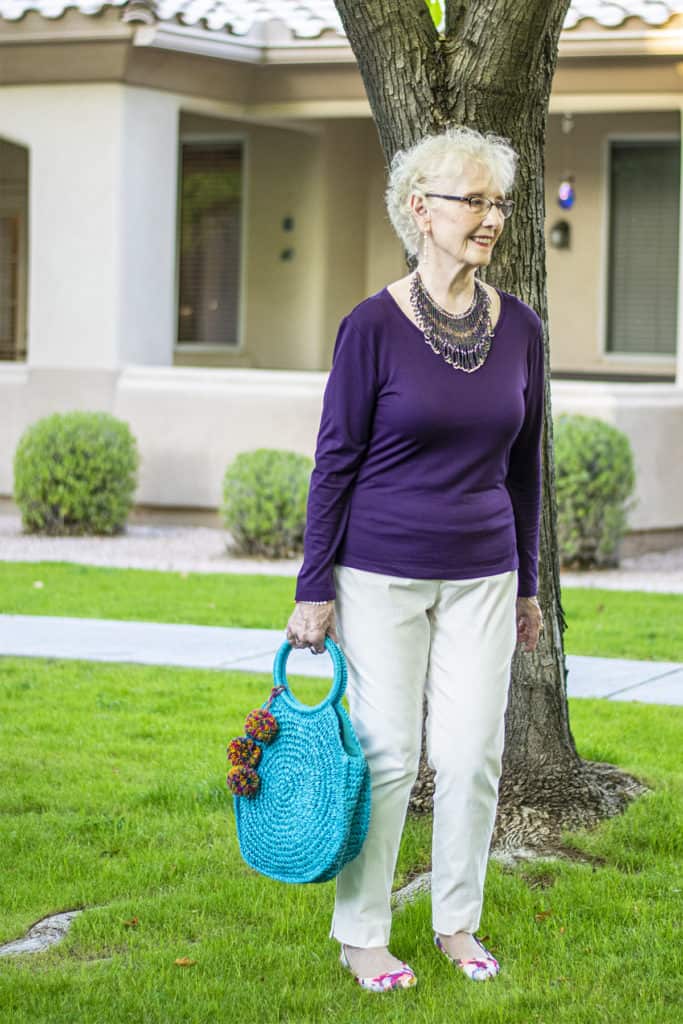
If you’re trying to mainly wear the colors that look the best with your complexion, you can find it challenging at the retail shops depending on the season. That’s why thrifting can be a great option. Usually, all colors are available.

A person standing in the grass

Description automatically generated

Variety

Big stores are limited with the number of collections they can have displayed and stocked. So, if the styles aren’t what you appreciate, then you can find so many different styles at the secondhand places.

Trying a New Style

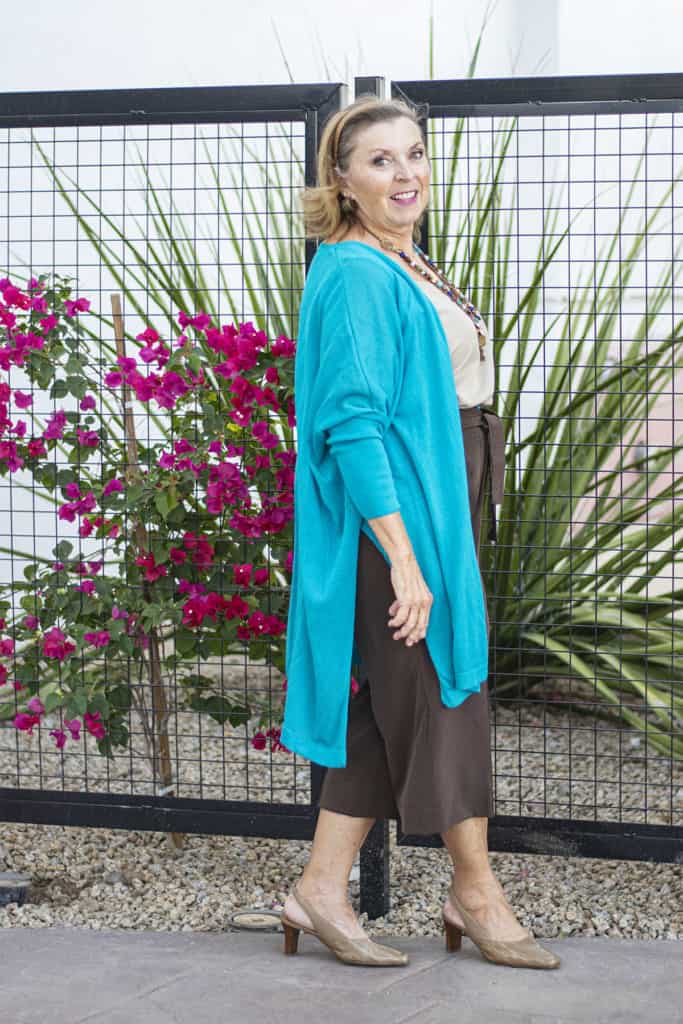
Maybe you’ve heard that the wide leg cropped pants are a huge trend for 2020, but you can’t imagine wearing them. Why not buy a pair of wider leg pants at the thrift store for under $5? You can cut them off to be the cropped length and try them out and about.

Lesley did that with her brown pants. The best part is, if you don’t like the look on you, you haven’t wasted much money.

A person standing in front of a fence

Description automatically generated

Insider tip: Don’t believe every article about what looks good on “your shape.” Your shape is still VERY unique, and you’ll never know until you try it. Make sure not to rule out a style by only trying on one version. There are so many different silhouettes and details that could make it work for you.

Tricks That Make Your Shopping More Successful

If you’ve ever been to a consignment store, you probably know that it can get overwhelming going through all the offerings. Here are some tricks that can help you out on your hunt!

Scout Out the Store

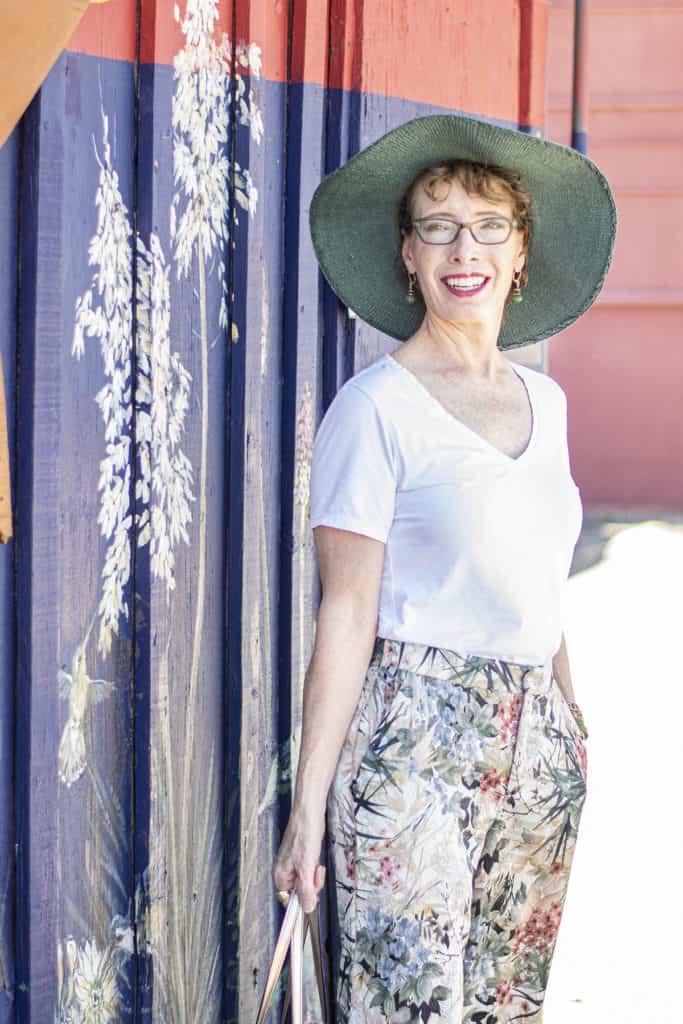
Walk around the entire shop first and get a lay of the land. Some stores have jewelry up by the register. Some consignment stores even have a sale rack in the back. Each store is so different, so it’s nice to know where things are before you start shopping.

A person standing posing for the camera

Description automatically generated

Want to Save Even More Money?

Even thrift stores have sales, so check and see if there is a discount. Some offer discounts for seniors and teachers. Some have bag sales where you can fill an entire bag for $10. And some give a percentage off depending on the color of the tags.

Think Outside the Box

Many items can be changed or purchased for different uses. I have purchased sweaters that aren’t in good shape just for the buttons. Many scarves can be used as table runners. Or if you sew, you could buy a sheet to use as a piece of fabric.

Inspect the Pieces Before You Buy

You are smart to check the piece over before you buy it. At the bigger stores, the employees don’t have the time to look thoroughly at every item before they put it out to sell. Make sure to check inside, all the seams and especially the hems.

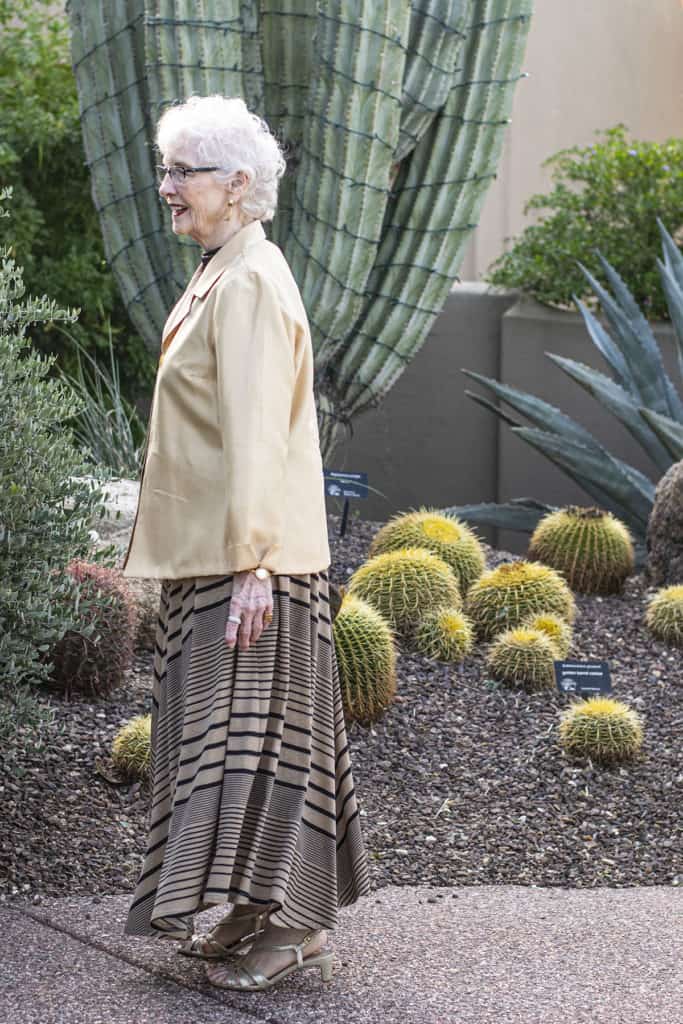
A person standing in a garden

Description automatically generated

Insider tip: Don’t reject an item just because it’s flawed. I have purchased a maxi skirt that the bottom hem was very stained. Yet, I knew I needed to shorten it to make it fit, which made it “clean” again.

What myths do you know about consignment stores? Do you show secondhand? What’s the last item you purchased? Which thrift stores do you visit most frequently and why? Please tell us about your secondhand treasures in the comments below!

Read More

What’s in a Name? Be Sure Yours Is Correct!

title name legal

Let’s talk about your name. You may love your name, or think it’s just okay, or wish you had a different name, and these days, you can legally change your name if you want.

But that’s not really the name that we need to make sure we get correct. I am referring to the legal name, a.k.a. title, on everything you own – from your home or other property, to bank accounts, your vehicle, and investment accounts. So, what’s in your name?

Okay, that’s probably not as much fun as you had in mind, sorry! But I cannot stress enough how important it is to get those “names” correct! In the United States, what’s listed on the title of an asset (an asset is anything you own of value) will dictate where it goes after you are gone.

So, a great exercise is to take a look at every asset you have and ask yourself, “Where do I want this to go?” then make sure the title reflects that. Please allow me to step onto my soapbox for a few minutes as we take a look at some examples to give you a better idea of your options.

Account Title Options

A common asset title we are often familiar with is a Joint with Rights of Survivorship ownership (sometimes abbreviated as JWROS). If you are married, for example, often your bank accounts are titled this way, so if something happens to one of you, the other seamlessly remains the owner of the account.

But what if you are single and your bank accounts are just in your name?

You can still “tell the account where you want it to go after you’re gone” by adding a POD (Payable on Death) designation if it’s a bank account or a TOD (Transfer on Death) designation if it’s a non-retirement investment account or piece of property (like your home or even your vehicle in some states).

What you are essentially doing is adding a beneficiary designation to a non-retirement account, simply by filling out and signing a piece of paper at each institution.

Lastly, if you have a trust in place as part of your estate planning documents, your attorney often recommends “funding your trust” which means re-titling your non-retirement assets into the name of the trust.

I never liked the word “funding” because to me that sounds like there are costs involved, but the only cost is your time in getting the paperwork completed.

You still have control, your financial power of attorney is also now referenced on that account in the trust document, and you save significant time, cost, and headache for your heirs by doing this now vs leaving it to them to deal with later.

Why Is This So Important?

To motivate yourself to take care of this paperwork, it is helpful to understand why you should care about correcting your asset titles.

If there is no joint owner, trust owner, or “beneficiary” on a non-retirement account, it may have to go through the probate process (depending on the dollar value of the account and your local probate laws).

Probate, in its basic form, is a court process of dealing with the estate of someone who has died, which generally means clearing debts, valuing assets, and then distributing them in accordance with the will/trust.

Settling an estate can often take six months to three years. Probate means there will be an additional delay and added costs involved before distribution to the new owner(s). If you can avoid delays and added costs (probate) by simply signing a form, wouldn’t you do that?

But This Is Where Most People Fail!

Having helped families for the past 20 years with all aspects of financial planning, I would have to say that this estate planning “homework” piece is the most misunderstood and biggest back burner item for everyone that I have met with. It is usually a case where we don’t know what we don’t know.

That is why I wrote several little financial checklist books to help people avoid the most common estate planning mistakes. It might seem like an overwhelming task but that is why I help break it down into small manageable pieces.

Also, your attorney should explain in more detail the estate planning homework after you have signed your documents.

Estate Planning Homework

Once your documents (typically a will/trust, powers of attorney for financial and health care) are signed, families should update their asset titles (to trust, joint, or TOD/POD) on non-retirement accounts as well as update the beneficiary designations on retirement accounts and insurance contracts.

You want to ensure that all of those assets go to the same places you designated in your will/trust. Remember, a beneficiary designation is like a mini-will on each individual account.

Your IRA, for example, will not go to where your will/trust says; it will go to where the beneficiary form on file on that IRA account tells it to go.

That is why one woman I met with recently watched her deceased husband’s 401(K) go to his brother instead of her. He had never updated his beneficiary designation at the police department after they got married decades ago!

Also, naming a primary as well as a contingent beneficiary is usually a wise practice on those accounts too. The best news is that beneficiary designations provide for distribution without a probate process so there is no delay or added cost on those accounts/policies/contracts.

Whew! I know all this can feel overwhelming, but you just need to take the first steps. To help you get your “names” correct, I have created some free resources. It can really make a significant difference for your family in the end!

Have you updated your beneficiary designations on your trusts, will, and other important documents? Do you know who will inherit your assets after you are gone, or are you unsure? Have you experienced the complications of un-settled name titles with a spouse or parent? What was that experience like? Please share your stories and any tips you may have!

Read More