

Author: Admin01

11 Great Cocktail Dresses for Women Over 50

Cocktail Dresses for Women Over 50

Have a party, a wedding, a formal or semi-formal event to attend? A cocktail dress is probably what you need. Cocktail dresses are dresses that are dressy yet not too extravagant. They are also sometimes called tea dresses or party dresses. Typically, a cocktail dress will be knee-length or mid-calf.

Owning a cocktail dress that makes you feel great is a must at any age and should be a staple in your wardrobe beyond your 50s – always be ready for those party invites. Yet finding the perfect cocktail dress for your body shape can be a little challenging because of all the choices out there.

Let’s face it, the cute and sexy cocktail dresses you wore when you were in your 30s probably don’t fit your shape or lifestyle anymore. Personally, I prefer more elegant and chic dresses now that I am in my 50s.

Let’s Talk Body Shapes

Our bodies naturally change as we get older. So, trying to fit into the clothing that we used to wear a decade or two ago may leave us frustrated and significantly reduce our self-esteem. Instead of fighting it, let’s try to embrace our changing bodies.

Knowing your body shape is essential when shopping for clothing. Just remember, no body shape is better than another. Welcome your shape and size and learn to love and dress it. The confidence you will acquire will shine through when you are strutting in your fabulous cocktail dress at your next party.

So, what is your body shape?
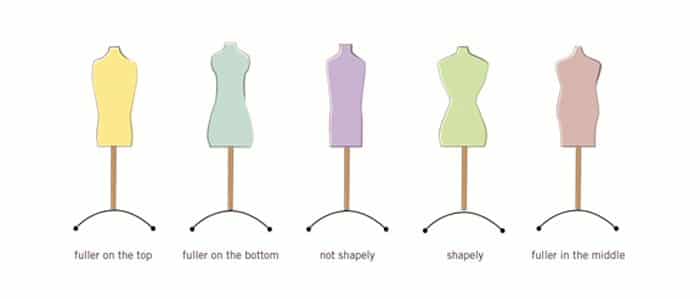
Fuller on the Top

Simply put, your bust and/or shoulder measurements are fuller than your hips and bottom.

Fuller on the Bottom

You are fuller at the hips and bottom and smaller on the top.

Fuller in the Middle

There is a little extra in the middle – this could be from numerous things, like Super Bowl food.

Curvy

You are a curvy woman with a full bust, a defined waist, and full hips, resulting in the ultimate hourglass figure.

Not Curvy

There is very little difference between your chest, waist, and hip measurements.

Do you have a tape measure? Especially now that online shopping has become mainstream, it’s imperative that you own a tape measure and know your exact measurements.

Styles of Cocktail Dresses

So, now that you have figured out your body shape, you can narrow down your cocktail dress options. Let’s take a look at the different types of cocktail dresses that work well for women over 50.

The A-Line Cocktail Dress

The vintage-inspired A-line cocktail dress is a style that flatters many different body types. It looks great on heavier shapes as well as thinner women who want to add some curves to their figure.

A-line cocktail dresses are flirty and can be knee-length or mid-calf. They can be strapless, halter top, strappy, and also have various sleeve lengths.

The Little Black Dress

Every woman should own a classic little black dress. It’s a staple in all wardrobes and can be a last-minute lifesaver. Black dresses are elegant and tend to ooze finesse and class.

The little black dress comes in a variety of shapes – from A-line to body fitting. Paired with the perfect shoes and accessories, a little black dress will look good on any body type.

The Lace Cocktail Dress

I love lace. It’s so romantic and feminine and can soften any figure. You will find some cocktail dresses entirely designed with lace and others who have accents of lace (like the neckline or sleeves, for example).

Lace cocktail dresses come in a variety of shapes but are oftentimes form-fitting, hugging the body, and accentuating shapely figures.

The Strapless Cocktail Dress

Strapless cocktail dresses are a little more daring, and you don’t need to shy away from them because you are over 50. They actually look great on women who are fuller on the top. Pair it with a short cover-up, like a bolero jacket or shawl.

The Cocktail Dress with Sleeves

There’s something about dresses with sleeves. Cocktail dresses with sleeves are sophisticated and can be a good option for you if you wish to cover your arms. From cap-sleeve to long sleeve, pick the one that makes you feel confident.

11 Cocktail Dresses Perfect for Older Women

I’ve selected 11 cocktail dresses for women over 50 that I think will fit a variety of shapes and sizes.

Carolina Herrera Taffeta Trench-Style Cocktail Dress

Carolina Herrera Taffeta Trench-Style Cocktail Dress

This classically tailored cocktail dress with ¾ sleeves looks great on almost all body types. Offered by Neiman Marcus, this cocktail dress will take you effortlessly to a variety of occasions.

Alex Evenings Lace Cocktail Dress with Jacket
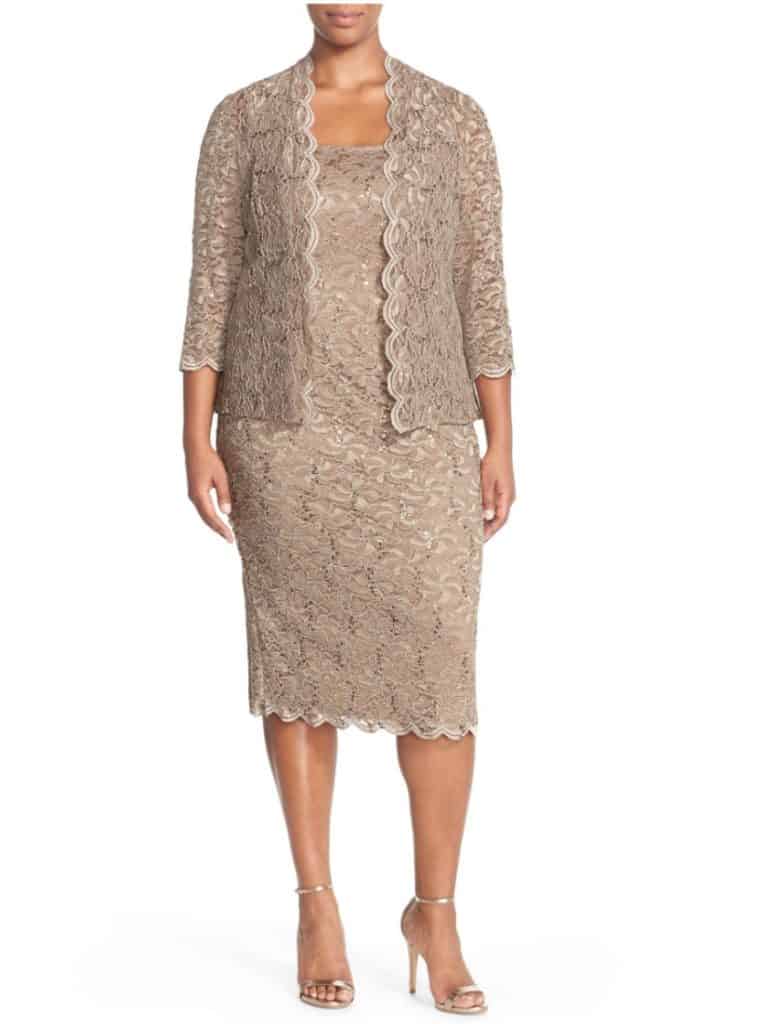
Alex Evenings Lace Cocktail Dress with Jacket

If you love lace, this 2-piece form-fitting cocktail dress set is perfect to take you from a formal dinner event to a wedding.

Rickie Freeman for Teri Jon Leaf-Print Jacquard Cocktail Dress
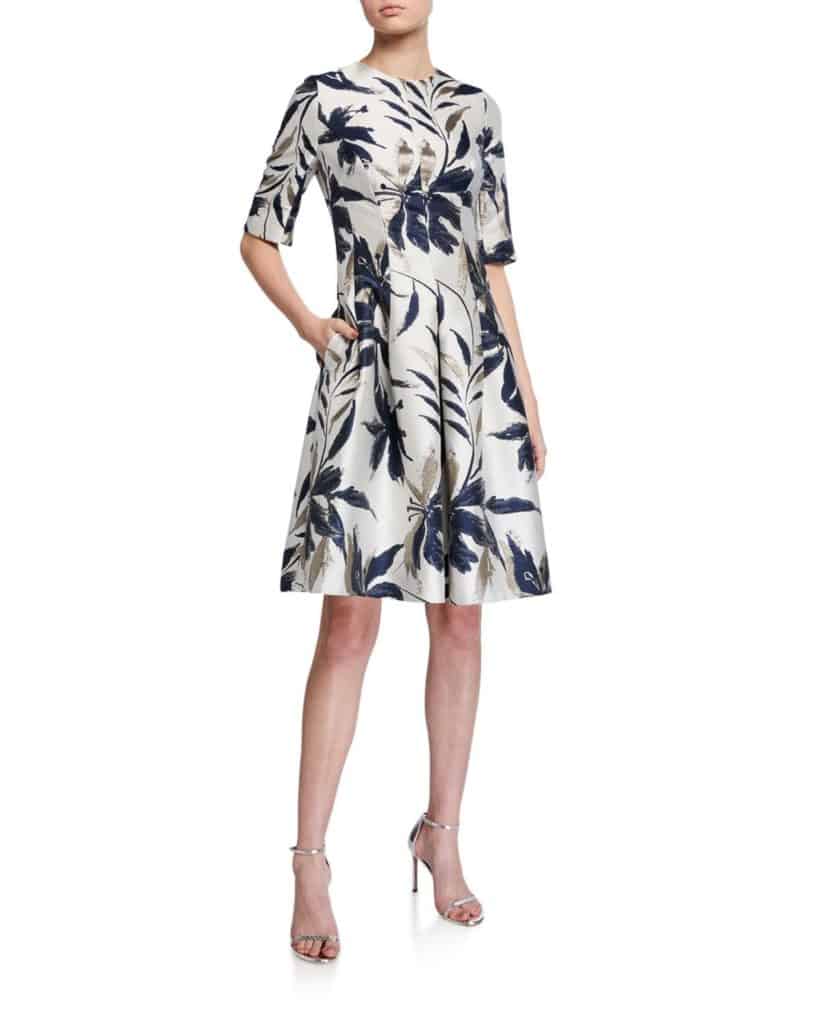
Rickie Freeman for Teri Jon Leaf-Print Jacquard Cocktail Dress

I love the leaf pattern on this classic cut cocktail dress. Bold yet elegant, it’s perfect for a gallery opening or an afternoon cocktail event.

Calvin Klein Plus Size Tulip Sleeve Belted Fit + Flare Dress
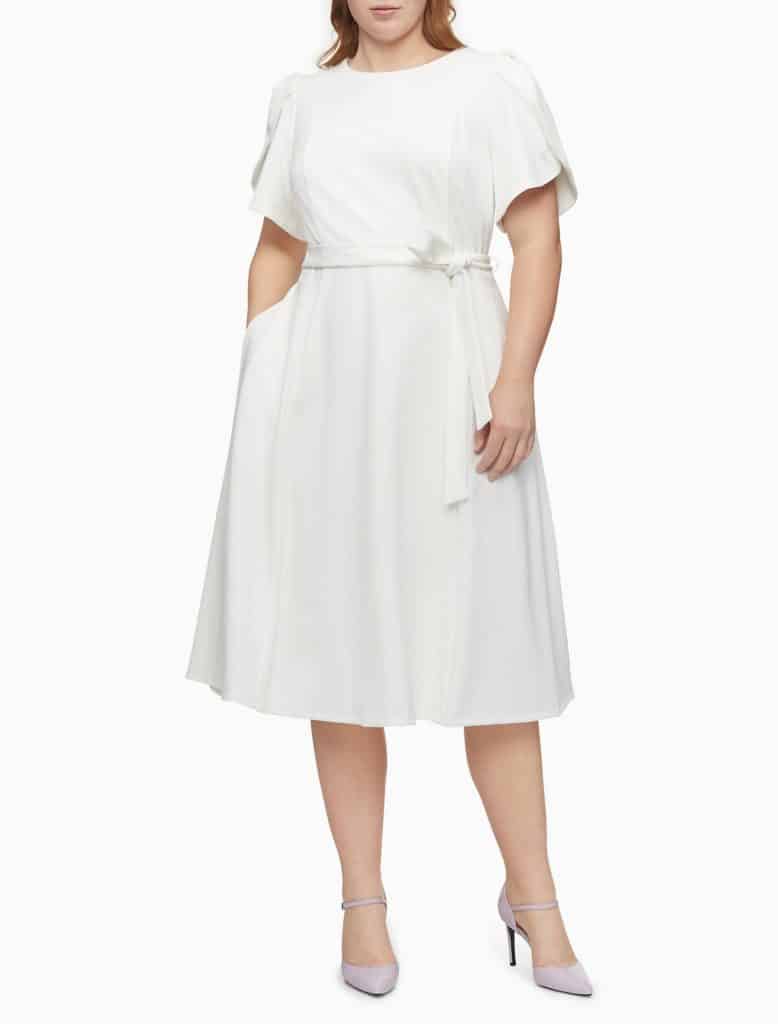
Calvin Klein Plus Size Tulip Sleeve Belted Fit + Flare Dress

This tulip sleeve cocktail dress from Calvin Klein is very versatile and fits the curvier body types beautifully. And it has pockets – don’t you love pockets in dresses?

Nanette Lepore Lace Sheath Dress
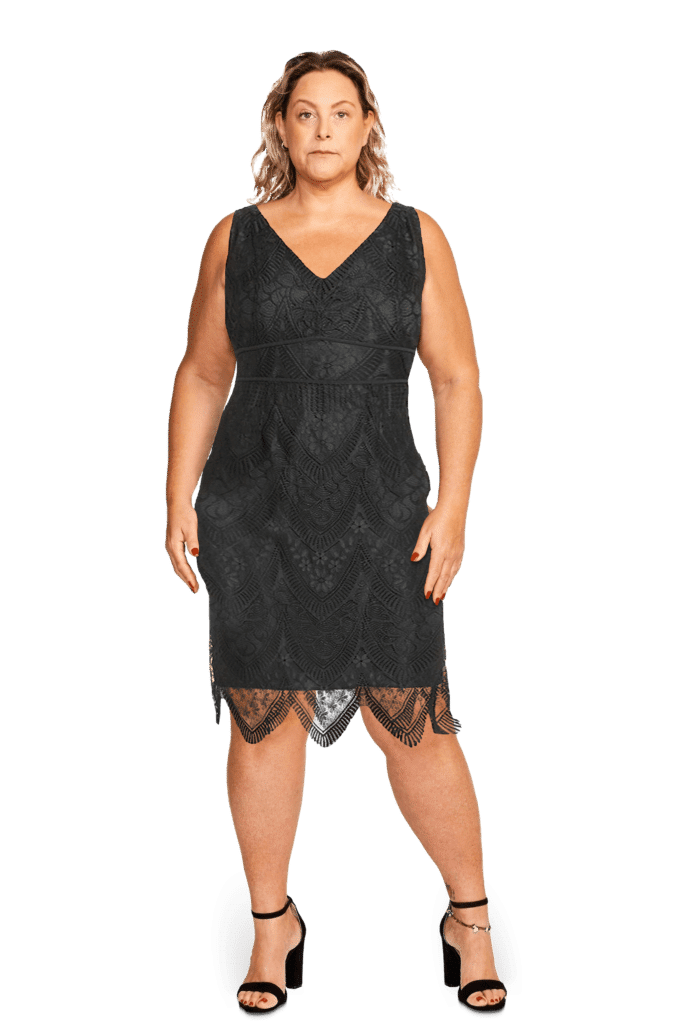
This flirty and chic little black dress with an empire waist is sure to turn some heads. The scalloped lace hem detail adds the perfect touch.

Alex Evenings Sequined Lace Contrast Dress
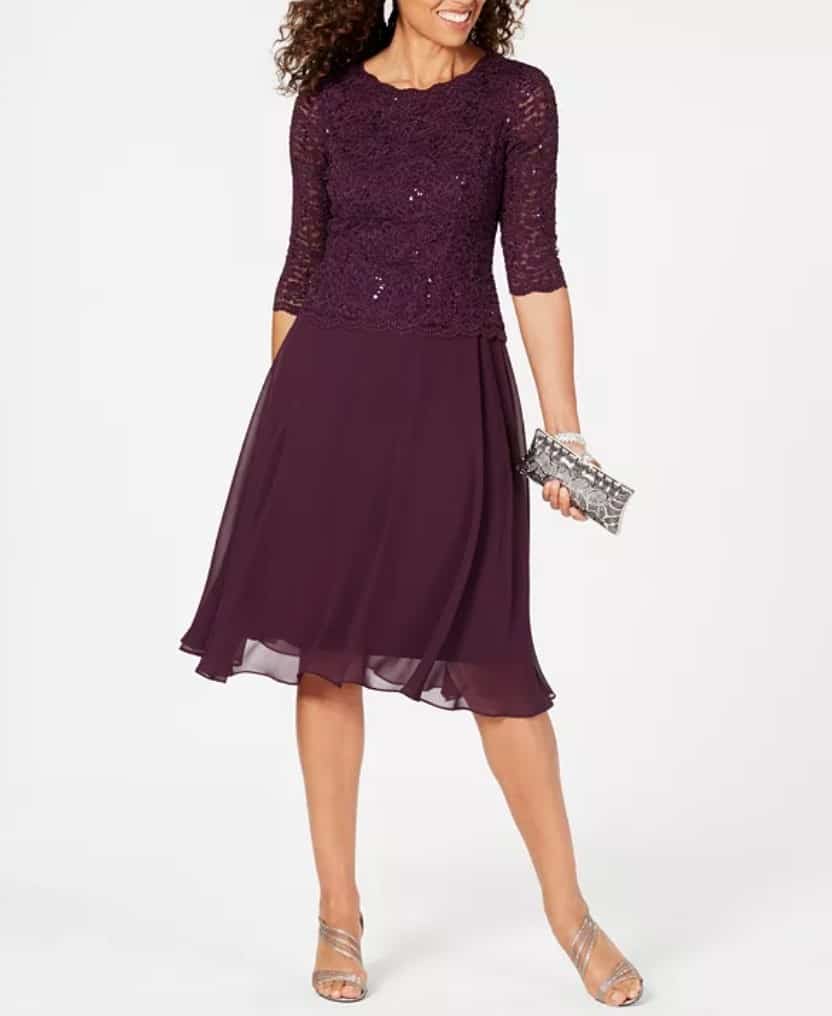
Alex Evenings Sequined Lace Contrast Dress

The sequin top and knee-length soft flowy skirt make a perfect combo for any occasion. This cocktail dress comes in several colors – from shell pink to navy blue.

Le Chateau Knit Crêpe Off-the-Shoulder Dress
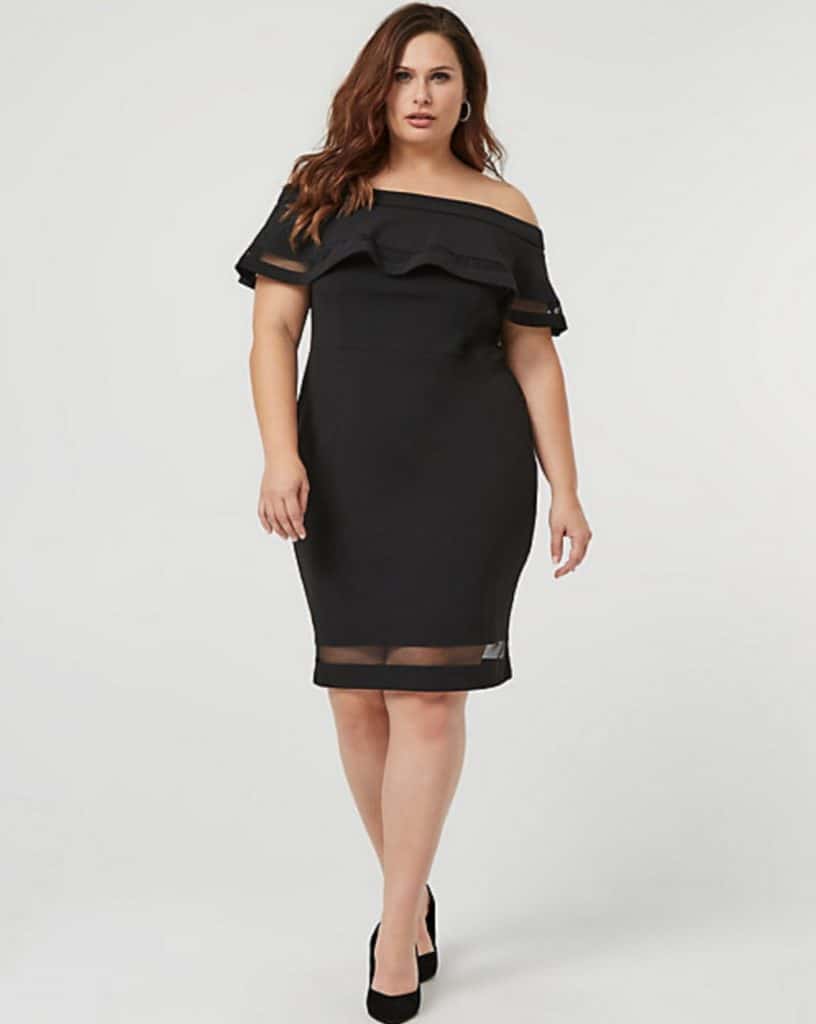
Le Chateau Knit Crêpe Off-the-Shoulder Dress

Want to be a little bolder with your little black dress? This off-the-shoulder cocktail dress has the perfect hint of sheerness in just the right places.

Norma Kamali Long-Sleeve Tara Dress

Norma Kamali Long-Sleeve Tara Dress

Flaunt your great figure in this stretch, off-the-shoulder, sexy little black cocktail dress from Bloomingdale’s. Accessorize as much or as little as you want, depending on the event you are attending.

Ignite Evenings 2-Piece Embellished Tiered Jacket Dress
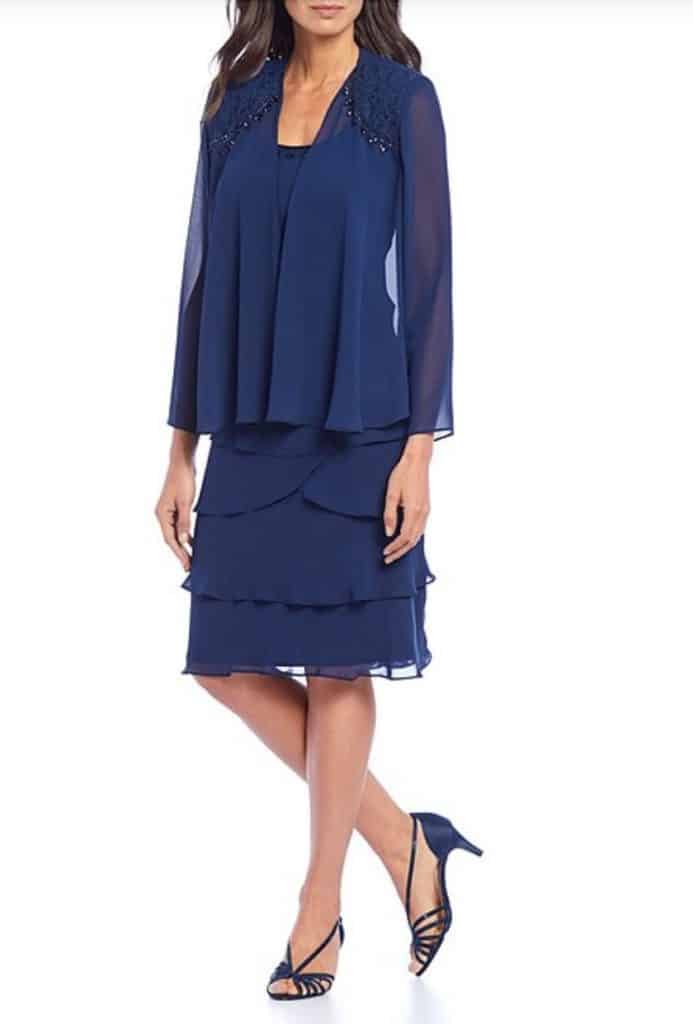
Ignite Evenings 2-Piece Embellished Tiered Jacket Dress

Tiered dresses flatter many different body types. The sequin and beaded details on this set are not overpowering and offer a hint of glamour.

Monique Lhuillier Lace Short-Sleeve A-Line Midi Dress
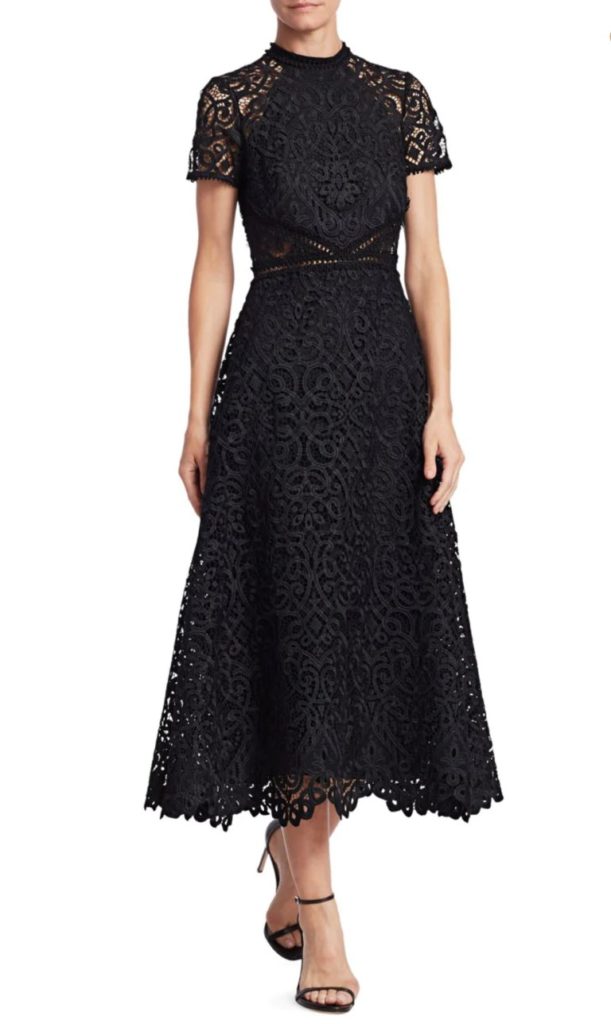
Monique Lhuillier Lace Short-Sleeve A-Line Midi Dress

This romantic lace cocktail dress from designer Monique Lhuillier is a true classic cut and is sure to become a timeless piece in your wardrobe. Get it from Saks Fifth Avenue.

Kay Unger Lolita Swan Neck Elbow Sleeve Metallic Shantung Jacquard Party Dress
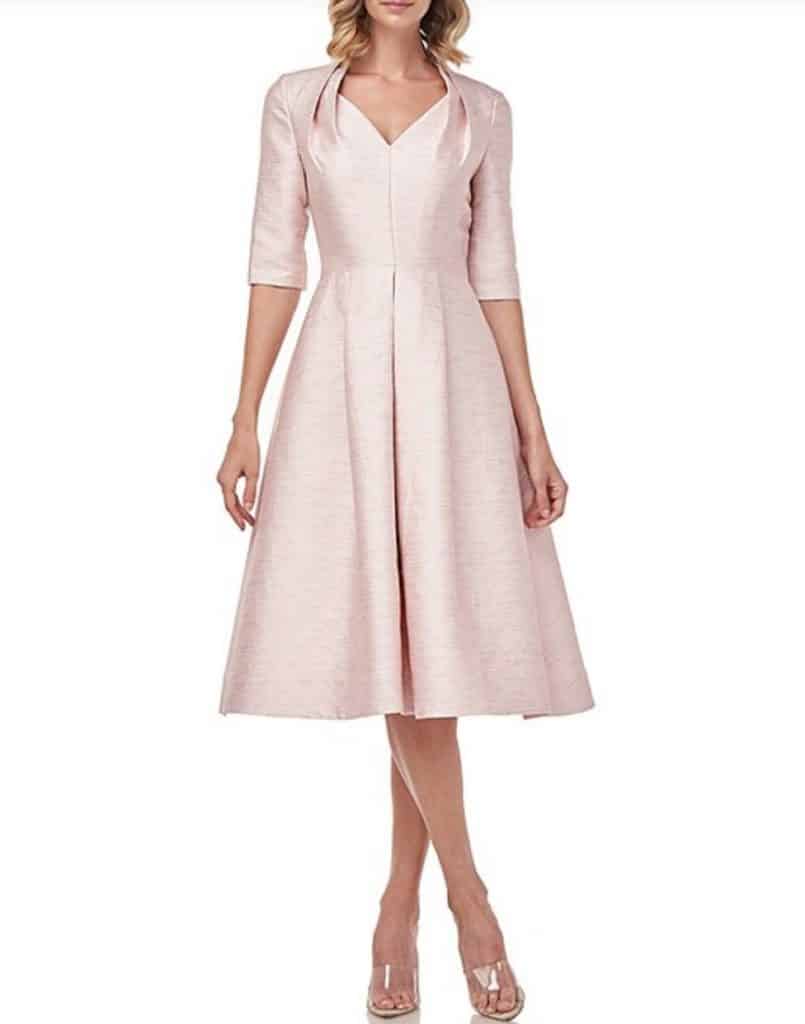
Kay Unger Lolita Swan Neck Elbow Sleeve Metallic Shantung Jacquard Party Dress

Look at the beautiful neckline detail on this dress. It’s the definition of refinement and grace. The box pleated skirt detail flatters many body types.

Invest in Timeless Pieces

I like to purchase timeless pieces when it comes to items like cocktail dresses. I prefer to have a simple dress and then pop it with accessories and fabulous shoes depending on the occasion I’m attending.

How do you evaluate your body type? Is it easy or difficult to find dresses that flatter your body? Which dress styles make you feel beautiful and confident when you wear them? Please share below and let’s discuss dress styles!

Read More

Caregiving Is All About Boundaries – Do You Know How to Set Them?

Caregiving Boundaries

Advice
about creating healthy boundaries fills entire sections of bookstores. I guess
that’s because determining how to set and apply healthy boundaries in real life
is challenging.

As
a couple, my mom and dad established their own boundaries throughout 65 years
of marriage. As kids, each of us knew that we brought joy to their lives. They
relished family celebrations. But we also understood how much they loved
spending time alone.

Their
ability to love us while simultaneously setting clear boundaries gave us security
as kids and freedom later in life within our own families. Looking back, I appreciate
the way my parents masterfully established boundaries which allowed us all to
thrive.

But
when it came for us to assume the role of their caregivers, those boundaries
were suddenly blurred. The lines of independence my parents had worked hard to
establish were suddenly rendered obsolete.

The
spontaneous surprise visits and traditional family celebrations were wiped from
the slate and replaced by demanding responsibilities, including overnight
stays. Independence (for anyone) was off the table – for the caregivers as well
as those for whom we cared.

Our
collective balance was tested. And each of us struggled in an effort to
stabilize. The whole experience set us firmly on a steep learning curve.

New Roles

My
parents’ newfound dependence on us grew ever more challenging over the years, as
their health challenges increased. They silently started to adjust their
expectations, relying on us as well as each other to sustain as much
independence as they could muster.

My
mother took over driving and spent hours tending to my father behind closed
doors, helping him maintain his dignity. They gave up their gambling getaways
to Laughlin, Nevada, movie matinees, and Costco dates.

My
mom never mentioned my father’s Alzheimer’s-induced new tendency toward verbal
abuse. Finally, both of them – entering their 90s – were trying to keep their
grip on the slippery bar of independence.

Establishing
new boundaries required all of us to face the fact that:

  • Dad needed care 24/7.
  • Mom needed someone to
    cook, clean, drive her to appointments, and join her emotionally as a new
    partner in the journey ahead.
  • Dad could no longer protect
    her or solve problems. He was unable to fulfill his longtime role as her handyman
    and hero.
  • Mom needed to feel
    safe.

Boundaries for the Caregivers

The
looming sense of responsibility for two people who had always been my heroes
scared me into sleepless nights and hours of prayer.

My
own life plans had never included the demands of parenting my own parents. I
knew that my brothers likely felt the same. At first, saying ‘yes’ was the only
available option: to cooking, visiting, handling the bills, going to doctor’s
visits. And on it went.

One
of my brothers tried to help because he was worried about me. He wanted me to
loosen my grip and let some of the “less-than-necessary” tasks go. He lovingly encouraged
me and showed me, (without verbalizing) what I had not yet considered:

“You
cannot do it all. And Mom will survive today without you.”

I
took his prompt to heart.

In
response, with every new request from Mom, I asked if the task was a “need” or
a “want.” Then, I’d ask myself if I needed to do something else with that time –
even if the conflicting appointment was just so I could sleep or enjoy dinner
with a friend.

Practical Steps

I
thought back to wise advice I’d received from a treasured friend some time ago.
She had told me to look at my life as a delicious pie, cut in generous slices.
To lessen the guilt of saying no, she recommended I think about how loving was
like offering a large piece of my pie to another person.

Then,
she made me consider how sad it would be if I gave the entire pie to just one
person, leaving me with nothing to share with others. This is what can happen
if you don’t set and honor your own boundaries.

I
thought of my children, grandchild, friends and the roles each fills in my
life. They deserve a slice of my life’s “pie.” It’s my job to share the pieces
accordingly.

This
analogy has blessed me with deep peace and less guilt-filled days. I am happy
that I can offer a giant slice of pie to my parents. Creating boundaries
enables me to do it joyfully.

I’m also grateful that my children can enjoy their slices – even though the offerings may be a little sparse this caregiving season. Even so, I want to make sure we all savor every bite. I also always reserve a thin slice for myself. I carve it solely for me. It’s my own carefully-crafted caretaking boundary.

How do you preserve your boundaries as a caretaker, parent, grandparent, and friend? Do you think you can do a better job of it? Why do you think caretakers don’t leave any time for themselves? Please share your thoughts with our community!

Read More

Comfort Zone at 60: Confidence and Joy

Comfort Zone at 60

Our outlook on life and our beliefs can change as we age. Agendas get altered and things that were once so important may now seem silly or trivial. In fact, you may sink into a hole of not caring much about anything and find you are not taking care of yourself like you should.

Life brings about so much change – with our significant others, children, careers, and so on – that we get worn down. We lose our self-worth and neglect our health and dreams.

If you have found yourself in this position, I offer the following ideas to help you change your direction and get back into the game of becoming your most confident self.

Appearance: Be Your Own Person

Often, we are too critical of our looks and can even give up on trying to look our best. As a result, we start feeling invisible to the world around us. Being at ease in our own skin and feeling our best gets us in our comfort zone.

I would encourage you to consider your needs and wants and stop fidgeting about what others may think of you. Design the person you want to be. You have all kinds of options!

Begin by giving yourself a signature look.

Perhaps you want to stand out for wearing a specific color. Organize your closet where it’s easy to match your outfits by having only the colors or styles that give you self-confidence.

If you are a hat or scarf person, don’t just collect these accessories – wear them. Maybe you love jewelry and if so, wear it to please yourself.

Perhaps you have a bohemian spirit that can emerge by doing something a little outrageous. It may be as small as a toe ring or as big as a tattoo. The point is, you are doing something that gives you confidence and pleasure.

Whatever you do, it is for your benefit. No one else’s. Take time to think how you feel about yourself and how get a boost in self-confidence by letting your internal spirit come through.

Social and Alone Time: Enjoy Both

You may feel uncertain about how much time you want to spend alone as you age. Many of you may enjoy solitude that helps you to do fulfilling things such as reading, gardening, cooking, or crafting. But you may also need more in your social life to help you feel more connected.

If so, join groups that explore your interests. For example, if you enjoy reading, join a book club. By spending time with people of the same interest, you will enjoy yourself while learning new and different ways of thinking.

Your alone time can be very beneficial, but prolonged isolation is not helpful or healthy. Find a balance that gives you the right self-nourishment.

Physical Wellbeing: Be Your Best

Self-care can make all the difference in how you feel about yourself. Age leads to loss of muscle mass and many other physiological changes, so choosing a healthy lifestyle is vital.

Work on your flexibility and core. These two areas of physical exercise will help you with posture and give you better stability and balance. Learn and practice exercises to keep you strong and confident: walking, sitting, getting up from a seated position or off the floor.

Learn about nutrition and what is best for you at your age, size and lifestyle. Physical wellbeing is of utmost important and will be your best friend when you need it most. Eat healthy, drink plenty of water, and move your body.

Why Bother? It’s All About You!

Having a quality life gives more joy. Improve and renew your spirit daily. Remember, you are the only one who can give you the gift of self-care.

How are you creating your future comfort zone? What things make you feel comfortable in your skin? Are there any tips you would like to share with the community? Please do so in the comments below.

Read More

Mother Nature Here We Come – Seniors Who Simply Want to Live

living at a senior care center

Do you remember birds singing loudly and persistently at the beginning of the pandemic when traffic disappeared from the streets and skies? At the time, I wondered if I were hearing birdsong that would normally have been background noise, or if the birds were actually singing differently.

Then I heard an ornithologist say that birds are known to respond to human activity. So, the birds actually were celebrating a reprieve from human interference.

But Some Interference Is Good

Here at my CCRC we’re trying mightily to interfere with Mother Nature by keeping old and infirm people going long after they would normally have expired. That’s a good thing, from my point of view. But the birds might not think so.

I am one of the youngest residents – I will soon be 75 – and in fine shape. When people meet me for the first time without my husband present, they look me up and down and ask, “Why are you here?” I tell them it’s because my husband has Parkinson’s, and they nod their heads in instant understanding.

Almost everyone has come here in response to a natural process gone askew. Couples come because one of them has a chronic illness. After a number of years, a widow or widower is left behind, and she or he no longer has the stamina to move away.

Frail people come to live closer to adult children without burdening them. Others come because they have no adult children on whom to rely for life-extending services.

It Takes a Village

This place is a village in which paid staff substitute for clansmen who, in earlier eras, would have cared for their elders.

Staff members give my husband physical therapy without his needing to travel for it. They organize ways for him to enjoy society, at dinner or after exercise classes, that he could not otherwise access, either physically or cognitively.

Staff members help me with caregiving, a relentless drain of energy and good humor. (60 percent of caregivers die before the loved one for whom they are caring.)

Because someone is always around, I can go about my business – and even spend a night out of town – without worrying about Tom taking his meds on time or slipping in the shower. I am granted a precious, extra degree of freedom.

It’s Not About Illness

The odd thing is that neither staff nor residents focus on the infirmities that make us congregate. When you meet people in a walkway, you proceed to discuss campus activities, your family, the news, whatever, but never your aches and pains or serious medical or psychological challenges. It’s assumed that everybody has his or her share of them, and they’re boring.

I confess I’m curious about how some of my fellow residents manage to cope with the problems inherent in long life. But I can’t pry. Unless new friends volunteer to share their stories, I’ll just have to stick around long enough to find out for myself, assuming I can. 

Then There’s Covid-19

That brings me to the current threat looming over our community of vulnerable individuals. So far, among the 400 souls on this campus, only one staff member has come down with Covid-19.

We‘re told the person had little direct contact with residents – someone from buildings and grounds, perhaps? – and is resting at home.

Why have we been spared? The director jumped into protective mode, closing the campus to visitors and ending communal dining as soon as public health officials recommended doing so.

Some residents grumbled about being cut off from family, but when asked last week whether the dining room should re-open in July, most said no.

Mother Nature issued a challenge, and this CCRC responded with science. We may not talk about illness here, but we know when we’re beating the odds.

How have you and yours fared in the pandemic? Have you been able to visit a loved one in a retirement community? What were the restrictions? Let’s have a conversation.

Read More

An Experiment with Prayer – Out Loud and with a Partner (Video)

praying as a couple

I’d say a silent prayer with my morning coffee, in church, sometimes before a meal. But the idea of asking for guidance with struggles and worries out loud? With my spouse listening? This concept may work for other people, but I doubted it was for us.

Couples Who Pray, written by Squire Rushnell and Louise DuArt, is a quick and easy read highlighting married couples, including several high profile celebrities, who pray daily – with one another. Denzel and Pauletta Washington, Scott and Tracie Hamilton, Kathie Lee and her late husband, Frank Gifford.

Prepare for Your Marriage to Improve

The book’s message – and promise – grabbed my attention. It claims praying together opens up a husband and wife to one another and creates a closer bond. In turn, this increases intimacy and communicationin the relationship.

I wrapped the book with a pretty ribbon, presented it to my husband, and braced myself for his reaction. This new thing I discovered and proposed was not exactly our style.

What do you think? Shall we give this a try? 

I suppose the intimacy angle intrigued my typically quiet husband, because I am certain he didn’t crave more conversation. We agreed to give the concept a shot. What was there to lose?

The Authors Recommend a 40-Day Trial 

I admit, my expectations were low.

Like any Type A prayer partners, we outlined a strategy and established ground rules. We’d pray in bed, after we closed our books and before we went to sleep. Interruptions, comments, side remarks, were off limits. Feedback and follow-up discussion must wait until the next day.

I felt safer with the lights out. With the room dark, mumbling our concerns and hopes aloud wasn’t as scary as I imagined it would be. We didn’t hold hands and look into each other’s eyes and use eloquent language. We took turns talking, then said amen and goodnight. Short and sweet. 

It Gets Easier and More Comfortable

Similar to cooking a new recipe or sewing a buttonhole, this new routine was easier the second night and the third. After two weeks, we were in a rhythm we loved, and we knew we wouldn’t stop. When one of us was away, we prayed together over the phone. We were hooked. 

After three decades of marriage, our prayers helped us uncover new things about each other. With no distractions and nothing to do except listen, I realized my rock of a husband – who rarely asks for help – was worried about his lonely dad and the employee he had to fire. He heard I was restless and longed to explore and grow at this stage in my life. 

Of course, we both pray for health and safe travels and our kids and jobs and elderly parents and sick friends. We ask for forgiveness and freedom from the past. We ask for guidance and direction and answers and decisions.

But we do a lot of thanking too. And gratitude has led to a greater appreciation for each other. 

Our recognition and empathy, through prayer, has steered us toward greater emotional intimacy and opened up new discussions. Physical intimacy? Hmmm – the jury is still out!

I often wonder how prayer would have affected our lives and family if we’d started this habit years ago. I’ll never know. But it’s another beautiful lesson – and reminder – for me. It’s never too late to try something new. 

Have you ever prayed out loud? Do you do it on your own or with your partner? Might you give this a try? When was the last time you tried something really uncomfortable? With our uncertain world, how do you obtain guidance and strength? Please share your tips and recommendations with our community!

Read More