Author: Admin01

6 Ways to Make Your Next Travel Adventure a Remote One
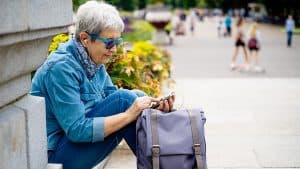
Travel-Adventure

Marion and Roger, a pair of Brits from 40 miles west of London, boarded the ship carefully. They’re in their 70s, and both are intrepid travelers.

Marion is short, round, lively, and loves a good biscuit. Roger is tall, thin, and has to be reminded to eat. This is just one of many trips they make during the year, leaving their comfy cottage for the world’s wild places.

Another couple, Irwin and Joan who are in their late 50s, climbed aboard, assisted by the crew, who gathered around the loading area to welcome us aboard.

Karen and Frank, a couple from Sydney, retired and experienced sailors clambered aboard. Two young men from Montana, then me as a solo traveler.

The Katharina, one of two gorgeously-appointed ships in the SeaTrek Bali fleet, had brought us all by motored dinghy from the Coral View Resort in northeastern Bali. We’d all just come from Borneo to see orangutans, which was another part of this same journey.

We had no idea what was in store for us. Good thing. Why spoil a lovely surprise, one that keeps unfolding for eight long, lovely, incredible days in one of the most gorgeous places on earth?

The following week we were fed like kings and queens, introduced to remote islands where no other ships visit, moored off the coast in the quiet, warm waters to watch the moonrise and the sunrise (both spectacular).

We tracked Komodo dragons, met villagers on isolated islands where the tourists don’t go, watched amazing dances and paddled or swam salty crater lakes.

Could this be you? Of course it could. Why not? Here’s how to make paradise happen.

Decide to Go Remote

Put your remote down, and for once consider a journey to the other side of the world in person rather than National Geographic.

I’ll address Indonesia in this series because I just got back from four weeks in that country. For once, don’t choose something close, predictable, and the reliable default. If not you, then who? If not now, then when? Indeed.

Turn the Long Flight into Part of the Adventure

Sure, it’s a long set of flights. So, stop over in Hong Kong, or Singapore, or Tokyo. Take a few extra days to rest up, sleep in and head out for a while as you take your sweet time to arrive in Denpasar, the country’s airport.

Do Your Research, Ask Around and Figure Out What You Want to Do

I’m going to discuss SeaTrek Bali as that’s the operator I used, plus a gem of a hotel in Ubud, Central Bali, called Alam Indah. There are many options available depending on your personal tastes.

The reason I chose SeaTrek was because each day we woke up somewhere new. We had a full range of options of daily activities – including nothing whatsoever, which Marion periodically enjoyed thoroughly – and the food was wicked good.

You can snorkel, SUP, hike, swim, sunbathe, and in my case, sleep on the top deck and star gaze. Oh my, what a sky.

Each of our fellow passengers had a wholly different trip from the rest of us, which appealed to me very much. You never feel as though you are loaded up into a cattle car and shuttled around. On board, it’s your trip and yours alone.

Do Something You’ve Never Done Before

Never tracked a Komodo dragon? Now that’s a story to take home. It’s safer than you think, and the hike to see them is a very easy walk. Marion had no issue with this, and she was no athlete. There were days we could hike hard, and days to do nothing. Or anything in between.

Get REAL Rest and Relaxation

Not far offshore, all wi-fi is gone. What a blessed relief. For eight gorgeous, fabulous days you are beyond the beeps and belligerency of marketing calls, scam calls, and all the other interruptions we have come to take as perfectly acceptable. Three of us read a lot.

Accompanied by the quiet offshore breeze, the occasional flop of a fish, we’d lie in the shade and nap. When’s the last time you took a lazy, happy nap just because?

Do It Today

Don’t wait until Someday, which is a day that never ever comes. The moment you start planning, the trip has already taken place. And yes, there was a terrorist attack, but that was a long, long, long way from where SeaTrek operates.

There are 18,000 islands in this huge country – and in all ways it is a paradise worth exploring.

Not only that, but with the Indonesian Rupiah at 1360 or so against the American dollar, your pennies – or pounds, as it were – go a very long way. Taxis are pennies on the dollar, food is so cheap it’s almost criminal.

I will be writing more about Indonesia and this trip to offer a sense of what’s in this magical place, what might be of interest to investigate, and what I found that was worth traveling halfway around the world to see. Stay tuned!

Have you been to Bali or other parts of Indonesia? What were your favorite places to share? What do you like best about this country? Please share your experiences with the community!

Read More
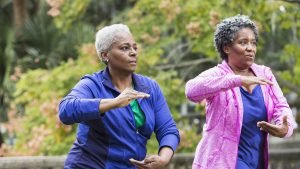
10 Tips for Living with Fibromyalgia or Another Life-Changing Illness

Living-with-Fibromyalgia

Several years ago, I was diagnosed with fibromyalgia, a chronic condition that affects millions of people around the globe. Most of them are women. So far, there is no cure.

I had enjoyed a successful career as a natural medicines therapist and teacher, but fibromyalgia forced me to stop working for two years, reassess my life and embrace a new normal.

I eventually left my old career behind and retrained in organic horticulture, teaching part-time in schools until recently.

My illness taught me so much, and I want to share some of my most important insights. Here are a few suggestions for living with fibromyalgia or another life-changing illness.

Reassessing My Values

Illness forced me to reassess my values. Health is now my number one priority, before career, relationships, finances and all else.

I’ve developed a habit of asking myself “Will this be beneficial to my health and well-being?” If not, it is not for me.

Practicing Gratitude

I have kept a gratitude journal for many years, and it has helped me appreciate the good times and the not so good.

I am blessed with a warm home, running water, fresh air, food to eat, great family and friends, time in Nature, beautiful sunsets and daily miracles.

Try keeping a diary of the blessings in your life for one month, and notice any changes in your perception of life.

Learning to be Proactive

A wealth of information is available online for specific health conditions. Joining a support group will invite new friendships from others who understand the challenges of your medical condition. You can then exchange tips on self-help techniques and coping mechanisms.

Cultivate a Good Relationship with Your Medical Team

Writing down a list of questions before visits to your doctor or consultant will ensure more positive outcomes.

I have copies of all my medical records, including blood tests, X-rays and other investigations. This keeps me informed of my progress and allows me to remain proactive in any treatment plan.

Natural Medicines

Reflexology, massage, acupuncture and herbal medicine have all helped ease my symptoms. As a result, I no longer need pain medication.

Several natural medicines are now available through private health insurance, and some are integrated within the healthcare system. Please consult with your doctor or medical consultant about a possible treatment plan.

Embracing Creativity

I explored creative writing when I was in considerable physical pain, and it eventually led to a new career as an author and blogger! Writing about the early death of my mother and other major life events helped me enormously.

I have also dabbled in art, photography and decoupage.

Singing and gardening continue to be important ingredients in my healing regime. Ten minutes of pottering in my garden transform my day!

Avoiding Isolation

Chronic illness is life-changing, and it is so easy to slip into a major depression. Avoiding isolation is important for good mental health. Please share all your concerns with your doctor, family and friends.

Learning to ask for help is key to ongoing recovery.

Resting and Pacing

The most important lesson I have learned is to listen to my body and pace myself accordingly. If I do too much, it can lead to a flare up in my condition.

Do you listen to your body when it tells you to rest? Perhaps you could treat yourself more gently.

Remembering to Exercise

Exercise is considered beneficial for many health conditions. Indeed, the body releases natural chemicals during exercise that are both analgesic and antidepressant.

However, it is important to find an exercise routine that suits you.

Some vigorous forms of exercise did not agree with my joints; walking, gardening, aqua aerobics, chi gung and yoga have all helped me enormously.

Focusing on Diet and Nutrition

Eating small regular meals and avoiding processed foods helps me keep a better balance. I love to cook and make most of my meals from scratch. I also create a number of extra portions to freeze for days when I am feeling less energetic.

I have discovered that some foods exacerbate my symptoms, including sugar, yeast, caffeine and alcohol.

Supplements containing Omega 3, 6 and 9, and Magnesium have been incredibly therapeutic.

Once again, please consult your doctor before taking any supplements.

Do you think that it is possible to have a joyful and fulfilling life after the discovery of a life-changing illness? What tips would you share with others who might be living with fibromyalgia? Please join the conversation below!

Read More

Are You Ready for Boomer Bootcamp? You’d Better!

fitness after 60

When we start a new job, we often go through a training program, in which we learn the essential skills for the challenges ahead. New military recruits go to base training. But what about recent retirees? How do they get prepared for the next season of life?

The answer is, sadly, that there isn’t much formal training! Most new retirees might think, “How could I possibly need training when I’m just going to have fun and do what I’ve always wanted?”

Yet after the honeymoon stage of the first couple of years, retirees typically start looking for ways to create structure, meaning, and purpose in their days.

Resources like Sixty and Me can help at this stage, because they cover a wide variety of topics, such as finances, relationships, fitness, purpose, and mindset.

My specialties are posture, alignment, and fitness, and here’s my simple fitness prescription that covers all the bases! Keep reading for BASE Training for Boomers…

B Is for Balance

Balance is priority #1! According to the United States Center for Disease Control, every 11 seconds, an older adult is treated in the emergency room for a fall; every 19 minutes, an older adult dies from a fall. The problem is that we often don’t think about balance until we notice it’s not as good as it used to be.

We may notice that we are less steady on uneven ground or using stairs. I encourage all of my clients, as early as their 40s, to start making balance an integral part of their fitness routines. Even if you are a new retiree, balance is your job!

There are many factors in balance, including our vision and the vestibular system in our ears. Once we are assured those systems are working well, we must turn our attention to the proprioceptive system.

Proprioception is our ability to sense where we are in space, with the help of the neurons in our joints, ligaments, muscles, and tendons.

Here’s my gripe with most senior fitness programs. They don’t challenge our proprioceptors in the two most important ways:

  • with dynamic three-dimensional movements that mimic real life, and
  • at our training threshold.

In other words, the balance exercises don’t look like what’s going to keep you from falling, and they are not performed in a way that really pushes you to get stronger.

A Is for Alignment

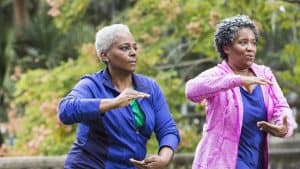
Alignment awareness is a common denominator among those who stay relatively pain-free as they age. They may have practiced a modality that encouraged mind-body awareness of body position and posture, such as yoga, stretching, tai chi, or Pilates.

I’m not saying that every person needs to do those modalities, and they are certainly not a guarantee against injuries. That said, these modalities increase our body awareness, and awareness is the first step to address imbalances that can cause pain.

After doing hundreds of posture assessments, I’ve learned that we are all asymmetrical. Each of us has some quirk, such as one foot that pronates more, or a slight leg length difference, or more muscular development in our dominant arm and shoulder.

Mindful alignment and posture practices help us course in correct stance throughout the day to create less wear and tear on our joints and less pain. This helps us stay more active for the long haul.

S Is for Strength

We know we need to do strength training for our muscle mass and bone density. It helps us look good, feel good, and be strong on the inside. It also increases metabolism, which helps us maintain a healthy weight.

There are three mistakes most boomer women make about strength training:

Many are afraid of getting hurt. And many can just get in a rut doing the same things they’ve always done, and not push themselves further. (I can relate, and I do not judge you for this.)

Obviously, you need to work within your body’s capabilities. That said, as a beginner, do 10–15 reps of each strength training exercise. When you can easily do 15 reps twice, then increase your weight until you can only do 8–10 reps.

E Is for Energy

Without energy, how will we do the exercise, mental fitness, relationship building, and community involvement that keeps us engaged and fulfilled? Many of my boomer clients, and younger ones too, tell me that they want to feel more energized.

There are universal and personal sources of energy. The universal sources of energy are the physical ones that all humans require: quality sleep, movement, and food. The personal ones are unique for each person and center around what brings them energy, joy, and peace.

For many of my clients, being in nature ranks very high for experiences that give them energy. We also have to say no to the things and people that drain our energy and cause stress.

Stress management and energy management are like sweeping the floor. It’s easier if you don’t bring in the dirt on your shoes in the first place!

Most of my clients come to me for help with alignment, balance, and strength, but I always address sleep, diet, and stress management too. These are the energy sources that enable us to do the movement and exercise.

What’s Next?

BASE training for boomers is simple, but it’s not necessarily easy to implement all of these at once. Start where you feel the most motivation. All ships rise in a high tide, so when we improve one area, we improve in all areas of life!

If you’d like personalized and professional help for your BASE Training, please visit Joan’s website and contact her for a complimentary consultation.

What are you already doing for BASE training? What’s your next priority? Which of these four majors gives you the most difficulty to begin or master? Please share with our community.

Read More

Garcelle Beauvais’ Red and Pink Blazer Dress

Garcelle Beauvais’ Red and Pink Blazer Dress on Family Feud

Real Housewives of Beverly Hills 2020 Instagram Fashion

Garcelle Beauvais’ red and pink blazer dress on Family Feud is yet another outfit of hers to love. Red and pink are literally the symbol of love to me (thanks Valentines Day), so obviously I fell for this dress at first site. I unfortunately haven’t seen the Family Feud episode yet, so after I’m finished hunting down outfits I may have to hunt down the episode. I did see tid-bits on Instagram, though, and it looked interesting to say the least. We never really know what will come out of the RHOBH ladies’ mouths hitting your spouse with a loaf of bread, but we do know that whatever comes out of their closet we will totally love.


Sincerely Stylish,

Jess


Garcelle Beauvais' Red and Pink Blazer Dress

Click Here To Shop Her Biccel Red and Pink Mini Dress

Photo Credit: @kylerichards18


Originally posted at: Garcelle Beauvais’ Red and Pink Blazer Dress

Read More

Want to Keep Your Brain Healthy After 60? This Psychiatrist Has Some Tips

brain health

Have you ever wondered how you can keep your brain healthy? Psychiatrist and author John Ratey shares amazing information about the power exercise has over the brain. Enjoy the show!

Maintaining Your Brain Power

Dementia, depression, and other brain-related illnesses are high on the list of concerns for women over the age of 60. We’ve seen our mothers and grandmothers struggle and we want to be proactive now to do everything we can to keep our minds as strong as possible. The key? Exercise.

Preventing Brain Erosion

It is completely possible to do more than simply prevent our brains from eroding as we age, and to actually increase brain growth while improving our cognitive functions. While many women over the age of 60 may think their days of exercising are over, it’s incredibly important to continue regular exercise to promote healthy aging of the brain.

Choosing the Right Exercise

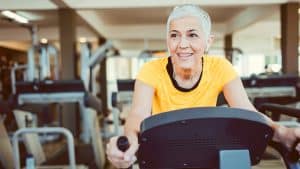
The good news is that there is no one specific exercise that is best for boosting your brain. Running, biking, swimming, dancing, and yoga are all wonderful options that engage the brain and slow its process of aging. What matters is choosing an exercise that you enjoy and will continue to do.

One critical element of these exercises is socialization. Social connections prevent isolation which slows brain growth and is counterproductive to healthy aging.

Why It Works

Exercise makes you feel good. It increases self-confidence and lifts your mood. What you don’t realize is that it is also changing the chemistry of your brain. As a result, our attention is much more focused and our motivation is increased. Dr Ratey argues that exercise can be just as beneficial as medication when treating depression, without any harmful side effects.

Focus on Focusing

While exercise uses more brain cells than any other activity, meditation turns your brain on like nothing else. Meditation and exercise together connect the various networks of the human body that often start to disconnect in adults over the age of 60. So, allowing yourself time to focus and meditate may increase your brain power in a powerful way.

Motivate Yourself and Others

The best way to get motivated to exercise is to know the benefits. Dr Ratey says, “it makes you less depressed, less anxious, less stressed and more loveable—because it increases your oxytocin—and more connected to the universe and to each other.”

What is your favorite form of exercise? Do you get to do it often? Have you found any particular form of exercise to be easier for women over 60? Please share your thoughts!

Read More