Author: Admin01

Yvonne Najor’s Burgundy Cardigan Sweater

Yvonne Najor’s Burgundy Cardigan Sweater / In The City Fashion Season 1 Episode 4 Fashion

Lindsay Hubbard’s bestie Yvonne Najor wore a super cute burgundy cardigan sweater on last night’s In The City. And guess what? It’s 15% off and in stock for us to shop and save for next Fall. Which to me is very much the happy ending happily ever after I’ve been looking for.

The Realest Housewife,

Big Blonde Hair


Yvonne Najor's Burgundy Cardigan Sweater

Style Stealers

!function(d,s,id){
var e, p = /^http:/.test(d.location) ? ‘http’ : ‘https’;
if(!d.getElementById(id)) {
e = d.createElement(s);
e.id = id;
e.src = p + ‘://widgets.rewardstyle.com/js/shopthepost.js’;
d.body.appendChild(e);
}
if(typeof window.__stp === ‘object’) if(d.readyState === ‘complete’) {
window.__stp.init();
}
}(document, ‘script’, ‘shopthepost-script’);


Turn on your JavaScript to view content


Originally posted at: Yvonne Najor’s Burgundy Cardigan Sweater

Read More

Historical Journeys – 17 Ancient Sites and Landmarks in Europe and the U.S.

Historical Journeys – 15 Ancient Sites and Landmarks in Europe and the U.S.

Have you taken one or more historical journeys? As humanity progresses, we leave lasting marks on the world. Some landmarks, crafted millennia ago, still stand, offering a fascinating glimpse into our ancient ways of life.

Imagine yourself at Stonehenge, surrounded by the echoes of ancient whispers. Stand in wonder at the Colosseum, where the cheers of gladiators from centuries past seem to linger. This isn’t just a trip; it’s a unique opportunity to step into the stories etched in stone. History isn’t confined to textbooks; it’s an immersive adventure.

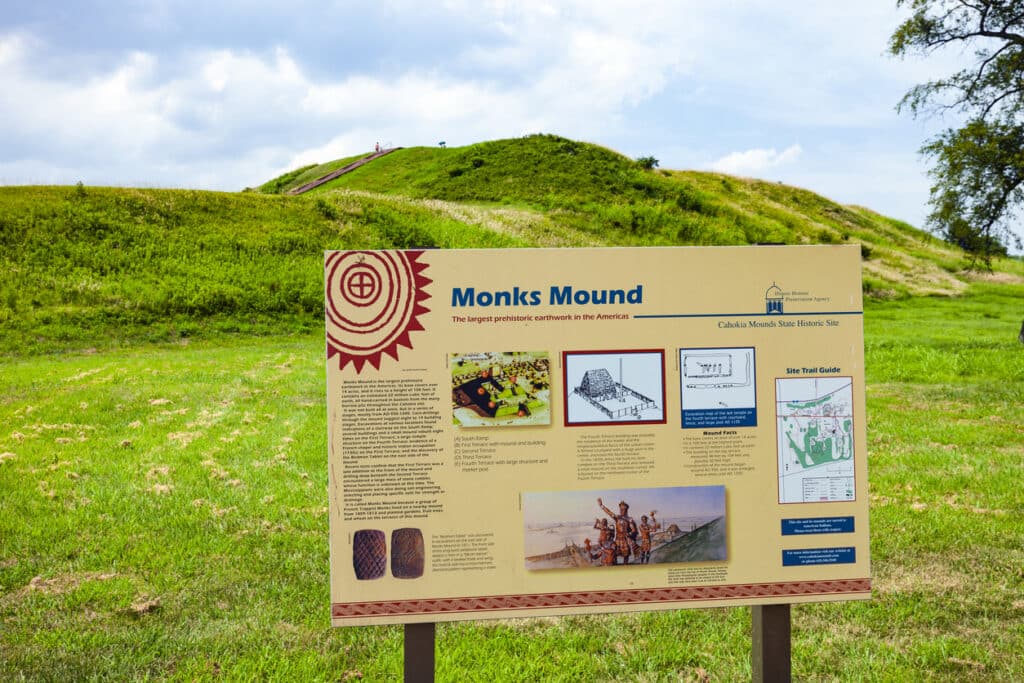
  1. Cahokia Mounds (Illinois): Cahokia was the largest pre-Columbian settlement in North America, with a population that peaked around 1200 CE. The site contains a complex of mounds, including Monks Mound, the largest prehistoric earthwork in the Americas.
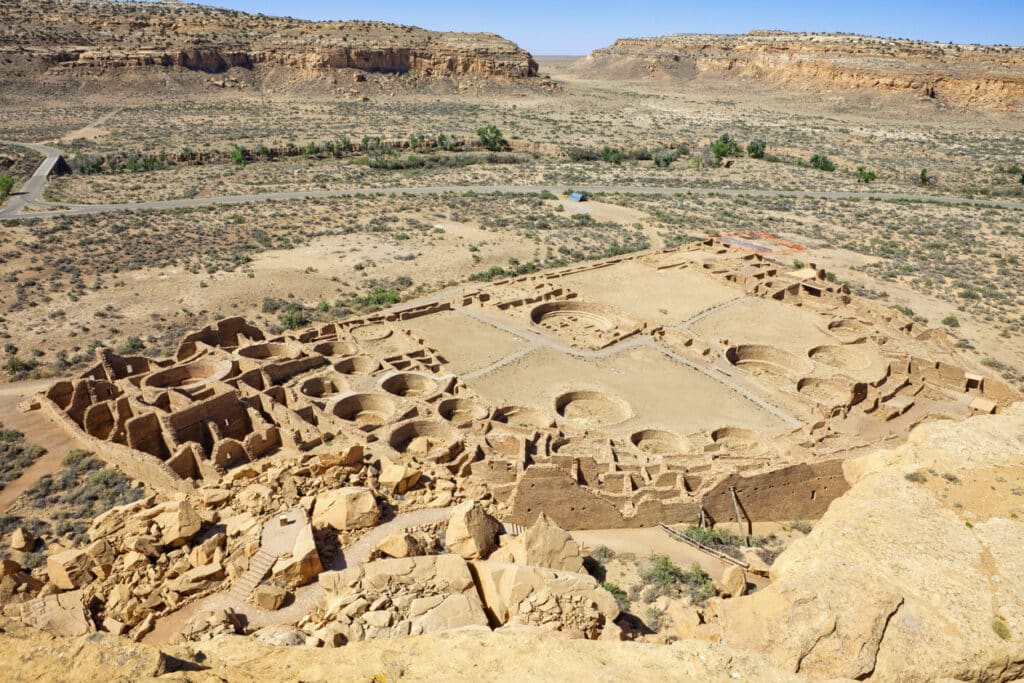
  2. Chaco Culture National Historical Park (New Mexico): This site preserves the remnants of a complex ancestral Puebloan culture that thrived between the 9th and 12th centuries. The park contains remarkable stone structures, including the famous Pueblo Bonito.
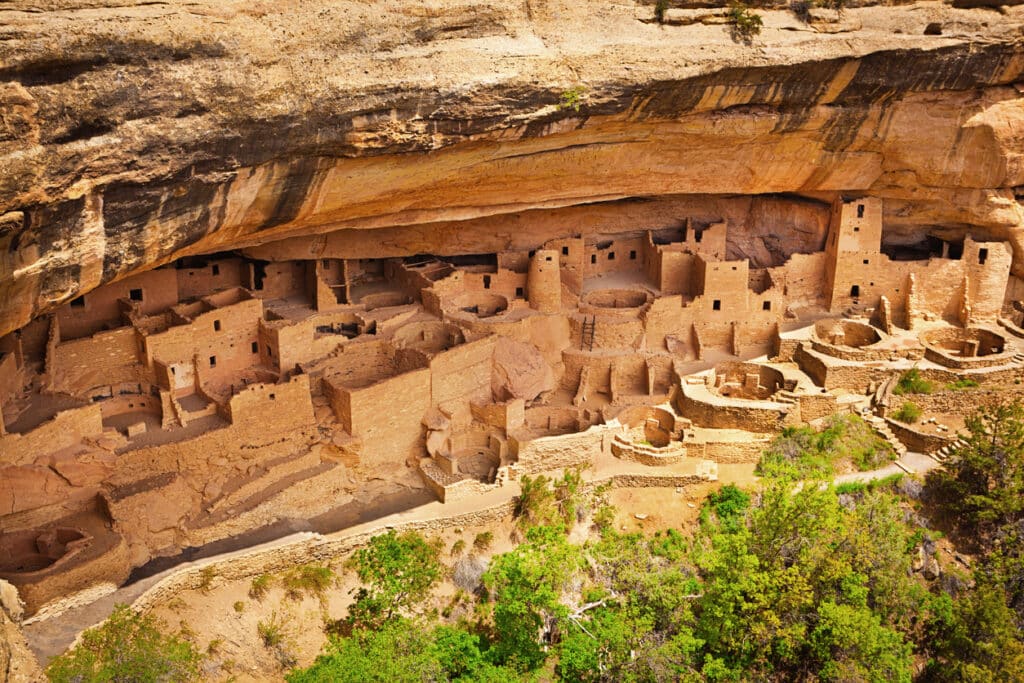
  3. Mesa Verde National Park (Colorado): Known for its well-preserved cliff dwellings, Mesa Verde was home to ancestral Pueblo people from the 6th to the 12th centuries. The Cliff Palace and Balcony House are among the most famous dwellings.
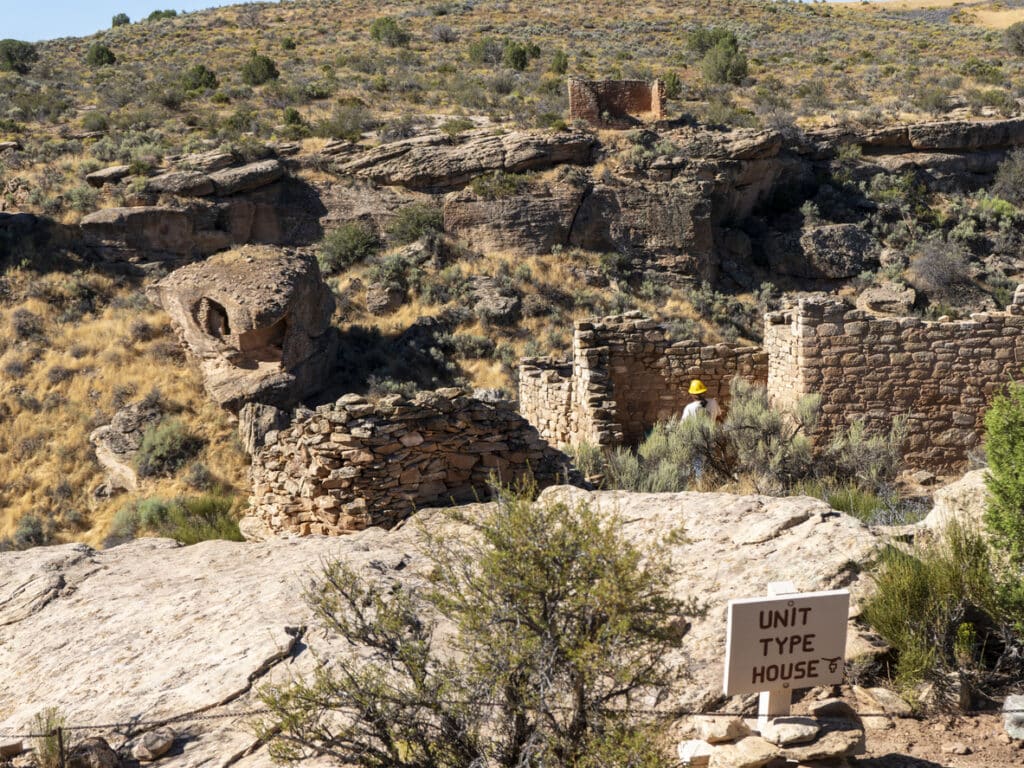
  4. Hovenweep National Monument (Utah and Colorado): Hovenweep protects six prehistoric villages built between 1200 and 1300 CE, featuring a variety of structures, including multi-story towers.
  5. Casa Grande Ruins National Monument (Arizona): Casa Grande, or “Great House,” is one of the largest prehistoric structures ever built in North America. It was constructed by the Hohokam people around 1350 CE.
  6. Kennewick Man Site (Washington): While not a traditional archaeological site, the discovery of Kennewick Man in 1996 provided valuable insights into the early human history of the Americas. The remains are estimated to be over 9,000 years old.

Continue reading for the complete list.

Visualize strolling through the Acropolis in Athens, once a city devoted to gods and adorned with remarkable architecture. Sense the vitality of the Roman Forum, the epicenter of a once-mighty empire. From enigmatic temples in Malta to the remnants of Pompeii, each site narrates a part of our collective human history.

What Defines an Ancient Site or Landmark

An ancient site or landmark is typically defined by its historical, cultural, or archaeological significance, often rooted in its age and the civilizations or cultures it represents. While there isn’t a specific universally agreed-upon timeframe for when a site becomes “ancient,” the term generally applies to structures, artifacts, or locations that date back many centuries or even millennia.

Key defining factors for an ancient site or landmark include:

  • Age – Ancient sites are typically very old, often dating back hundreds or thousands of years. The age alone contributes to their historical importance.
  • Cultural or Historical Significance – These sites often have cultural, religious, or historical importance, representing the practices, beliefs, or events of the people who built and used them.
  • Architectural or Archaeological Value – The design, construction, and archaeological artifacts associated with the site contribute to its significance. Many ancient sites showcase advanced architectural or engineering skills for their time.
  • Connection to Past Civilizations – Ancient sites are often remnants of past civilizations or cultures, providing insights into the way people lived, their societal structures, and their technological achievements.
  • Preservation – The degree to which a site has been preserved over time is crucial. Some ancient sites remain remarkably intact, while others may be partially in ruins.

Read 8 SPIRITUAL JOURNEYS FROM AROUND THE WORLD.

Ancient Sites and Landmarks in the USA

While the United States is a relatively young country compared to many others, it does have some ancient sites and landmarks that offer a glimpse into its pre-Columbian history and indigenous cultures.

Cahokia Mounds (Illinois)

Cahokia, the largest pre-Columbian settlement in North America, thrived from 600 to 1400 CE, reaching its population peak around 1200 CE. Located in Illinois, it is famed for its complex of earthen mounds, with Monks Mound standing as the largest prehistoric earthwork in the Americas. Soaring to a height of approximately 100 feet, Monks Mound served both ceremonial and residential purposes, showcasing the advanced engineering skills of the ancient Cahokians.

Monks Mound
Collinsville, Illinois, USA – July 14, 2018: Monks Mound is a large Pre-Columbian pyramid and was made by Native Americans around 900-950 CE in what is now Illinois.

Surrounding Monks Mound are smaller mounds, contributing to a meticulously planned urban and ceremonial center. Recognized as a UNESCO World Heritage Site, Cahokia serves as a tangible connection to North America’s ancient past, inviting contemporary explorers to marvel at the achievements and ingenuity of its bygone inhabitants.

Chaco Culture National Historical Park (New Mexico)

Chaco Culture National Historical Park stands as a testament to the intricate legacy of the ancestral Puebloan people who flourished between the 9th and 12th centuries. Located in the arid expanses of New Mexico, this park preserves the remnants of a once-vibrant civilization, offering a fascinating window into the lives of its ancient inhabitants.

Pueblo Bonito Ruins in Chaco Canyon
High angle view of Pueblo Bonito Ruins in Chaco Canyon at Chaco Culture National Historical Park, New Mexico, USA.

The park’s landscape is dotted with remarkable stone structures that reflect the architectural brilliance of the ancestral Puebloans. Among these, Pueblo Bonito stands out as a crowning achievement. This expansive structure, with its multiple stories and intricate masonry, was a significant hub within the Chacoan society. Pueblo Bonito, with its interconnected rooms and ceremonial spaces, serves as a poignant reminder of the cultural and spiritual practices that thrived in this arid region centuries ago.

Chaco Culture National Historical Park, designated a UNESCO World Heritage Site, not only preserves the physical remnants of the past but also invites contemporary explorers to contemplate the rich history and ingenuity of the ancestral Puebloan culture that once called this arid landscape home.

Mesa Verde National Park (Colorado)

Mesa Verde National Park, also a UNESCO World Heritage Site, is a captivating testament to ancient Puebloan life and cradles a wealth of history within its rugged landscapes. Inhabited by ancestral Pueblo people from the 6th to the 12th centuries, this park in Colorado offers a vivid glimpse into the unique cliff-dwelling culture that thrived here. The park is renowned for its exceptionally well-preserved cliff dwellings, which serve as silent witnesses to the ingenuity and resilience of their builders.

The Cliff Palace, one of the largest and most famous cliff dwelling site of the ancient pueblo tribe in the Mesa Verde National Park, Colorado, USA. The complex adobe cliff architecture was built by the southwest American ancient Pueblo, featuring housing, worship sites, storage and community space.

Among the remarkable structures, the Cliff Palace and Balcony House stand as iconic representatives of the ancient Puebloan architectural prowess. The Cliff Palace, the largest and most elaborate cliff dwelling in Mesa Verde, has over 150 rooms and 23 kivas. Balcony House, with its daring architecture and cliff-side location, further showcases the resourcefulness of the ancestral Puebloans.

Mesa Verde National Park calls on adventurers to unravel the mysteries of its ancient residents and to appreciate the enduring legacy etched into the cliffs and canyons of this southwestern marvel.

Hovenweep National Monument (Utah and Colorado)

Hovenweep National Monument holds the remnants of six prehistoric villages that emerged between 1200 and 1300 CE, providing a captivating portal into the lives of the ancestral Puebloan people. Located on the border between present-day Utah and Colorado, this monument safeguards a mesmerizing array of structures that showcase the architectural prowess of its ancient inhabitants.

Hovenweep National Monument
View of Unit House ruins restoration in Hovenweep National Monument

The villages within Hovenweep have a diverse range of constructions, with multi-story towers emerging as distinctive highlights. These towers, rising against the backdrop of the Southwestern landscape, stand as enduring symbols of the ancestral Puebloans’ craftsmanship and resourcefulness. Ingeniously engineered, these structures served various purposes, including residential abodes and ceremonial spaces, underscoring the complex societal dynamics of the time.

As visitors explore Hovenweep, they wander through the archaeological remnants of a society that once thrived amidst these canyons and mesas. The stone structures, meticulously crafted and strategically positioned, whisper tales of communal living, resource management, and the spiritual significance attributed to the landscape.

Casa Grande Ruins National Monument (Arizona)

Casa Grande, translating to “Great House,” stands as a colossal testament to the ingenuity of the Hohokam people, one of the ancient cultures of the American Southwest. Constructed around 1350 CE, it is among the largest prehistoric structures on the North American continent. This architectural marvel, located in Arizona, embodies the advanced engineering skills of the Hohokam, who ingeniously harnessed desert resources to create this imposing structure.

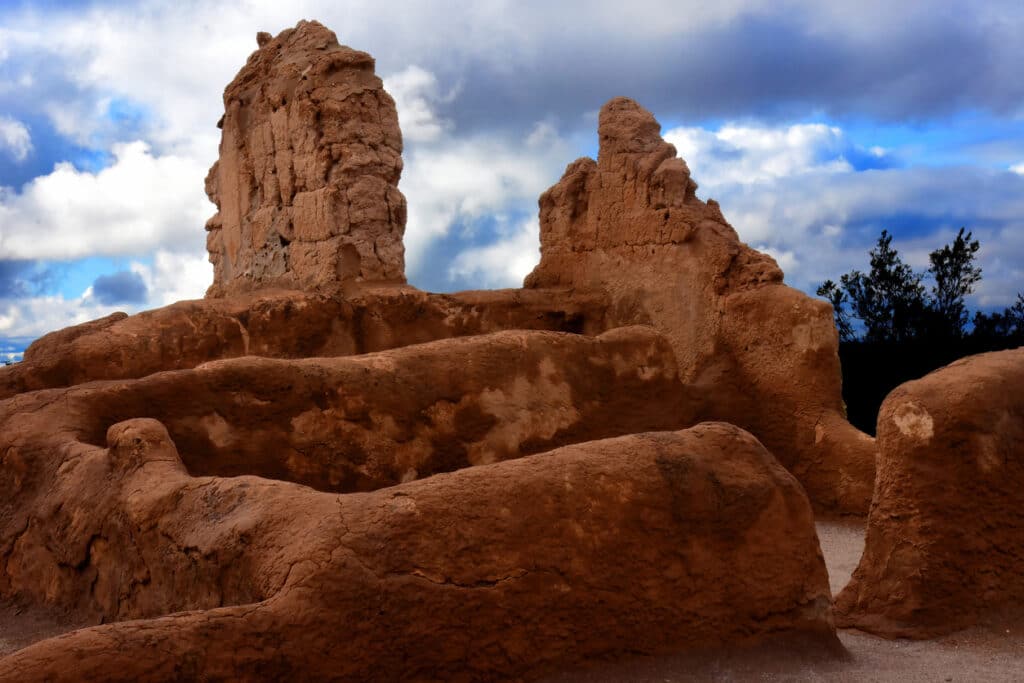
Casa Grande Ruins National Monument
Ancient Casa Grande Ruins National Monument of the Pre-columbian Hohokam native Americans in Arizona USA

Rising amid the arid landscape, Casa Grande served multifaceted purposes for its builders. Its intricate design suggests a complex understanding of celestial events, potentially aligning with solstices and equinoxes. The significance of Casa Grande extends beyond its physical structure; it represents the cultural sophistication and societal organization of the Hohokam, offering a tangible link to a bygone era. As a National Monument, Casa Grande continues to captivate modern admirers, inviting them to contemplate the ancient mysteries concealed within its massive adobe walls.

Kennewick Man Site (Washington)

Kennewick Man, unearthed in 1996, stands as an unconventional but invaluable archaeological discovery, providing profound insights into the early human history of the Americas. Estimated to be over 9,000 years old, these ancient remains, found along the banks of the Columbia River in Washington state, challenge our understanding of the region’s prehistoric populations.

While not associated with a specific site, Kennewick Man is a crucial piece in unraveling the tapestry of North America’s indigenous history. Scientific analyses of the skeletal remains shed light on aspects such as diet, migration patterns, and genetic diversity, contributing significantly to our understanding of the continent’s ancient inhabitants.

These discoveries, from Kennewick Man to the diverse ancient sites and landmarks, collectively offer a mesmerizing journey into the rich history of North America’s indigenous peoples. They provide a nuanced narrative of cultures, traditions, and lifestyles that flourished long before the arrival of Europeans, inviting us to appreciate the depth and diversity of the continent’s pre-Columbian heritage.

Effigy Mounds National Monument (Iowa)

Effigy Mounds National Monument in northeastern Iowa preserves more than 200 prehistoric mounds built by Native American cultures. These mounds, dating back to between 1400 and 750 BCE, are shaped like animals such as bears and birds. 

Effigy Mounds National Monument – Trail provides beautiful views of the Beautiful Mississippi River.

The purpose of the effigy mounds remains a mystery, but they are believed to have had ceremonial and religious significance. The monument offers insight into the cultural and spiritual practices of the Native American societies that inhabited the region.

Moundville Archaeological Park (Alabama)

Moundville Archaeological Park, located near Tuscaloosa, Alabama, is one of the largest and best-preserved Mississippian culture sites in North America. The site features 29 platform mounds arranged around a central plaza, with the largest mound standing at 58 feet high. 

Moundville Park is a historical site of Native American mound dwellers.

Occupied from the 11th to the 16th centuries, Moundville was a political and ceremonial center. The park also includes a museum with artifacts that provide insight into the daily life, culture, and spiritual practices of the Mississippian people.

Ancient Sites and Landmarks in Europe

Europe is rich in history and is home to numerous ancient sites and landmarks that reflect its diverse cultures and civilizations.

Stonehenge (United Kingdom)

Stonehenge, an iconic prehistoric monument situated on the Salisbury Plain in England, remains an enigmatic marvel. Comprising a ring of standing stones, each approximately 13 feet high, seven feet wide, and weighing a staggering 25 tons, its colossal presence has captivated human imagination for centuries. Despite exhaustive research, the purpose and construction methods of Stonehenge continue to elude definitive explanation, shrouding it in an aura of mystery.

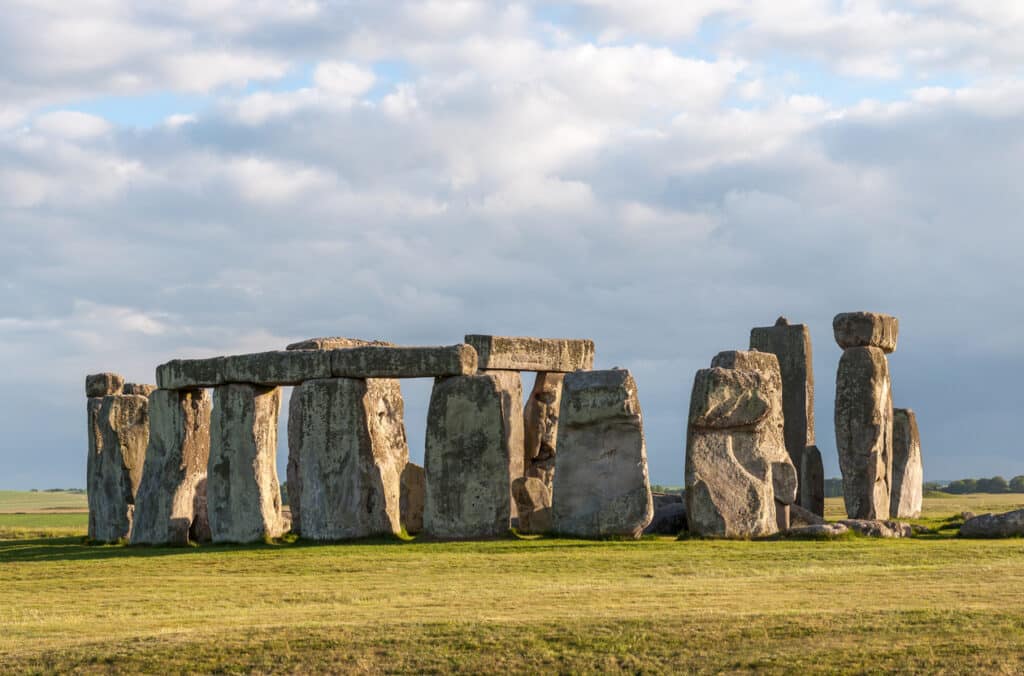
Stonehenge
Stonehenge in afternoon sun. Prehistoric monument in Wiltshire, England

The arrangement of these monolithic stones, some of which were transported from great distances, suggests meticulous planning and astronomical significance. Theories abound regarding its use for celestial observations, rituals, or even as a burial site. The sheer scale of the stones and the precision with which they align defy the technological limitations presumed for the time.

Stonehenge’s enduring allure lies not only in its imposing physicality but also in the enduring questions it poses.

The Colosseum (Italy)

Located in the heart of Rome, the Colosseum stands as an enduring testament to the grandeur of the Roman Empire. This massive amphitheater, constructed with architectural brilliance during the 1st century AD, was a remarkable feat of engineering for its time. Boasting a seating capacity of up to 80,000 spectators, the Colosseum was a colossal venue for gladiatorial contests, wild animal hunts, and elaborate public spectacles that enthralled the citizens of ancient Rome.

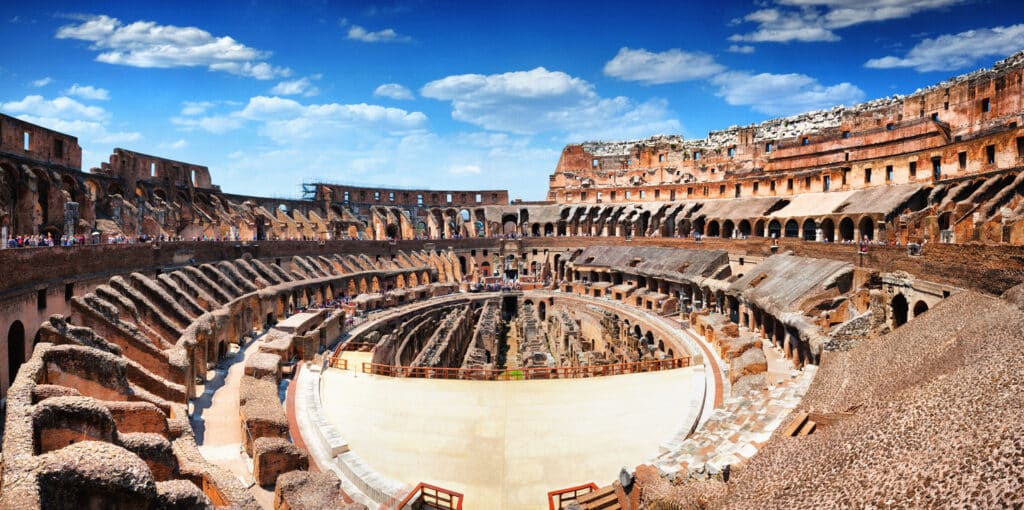
Colosseum
Panoramic shot of the interior of The Colosseum (Flavian Amphitheatre) in Rome, Italy. The Colosseum was constructed in the 1st century AD. Multiple files stitched.

The amphitheater’s elliptical design and tiered seating created an immersive experience for the Roman audience, who gathered to witness the dramatic clashes of gladiators and the grandeur of theatrical performances. The Colosseum, a symbol of Roman engineering prowess and cultural entertainment, stands today as one of the world’s most iconic and well-preserved ancient structures, drawing millions of visitors to marvel at its historical significance and architectural splendor.

The Acropolis (Greece)

Gracefully perched atop a rocky outcrop overlooking Athens, the Acropolis stands as a majestic complex of ancient structures, echoing the rich history of ancient Greece. Dominating the skyline, the most renowned jewel in this architectural crown is the Parthenon, a masterpiece dedicated to the goddess Athena, the city’s patron deity.

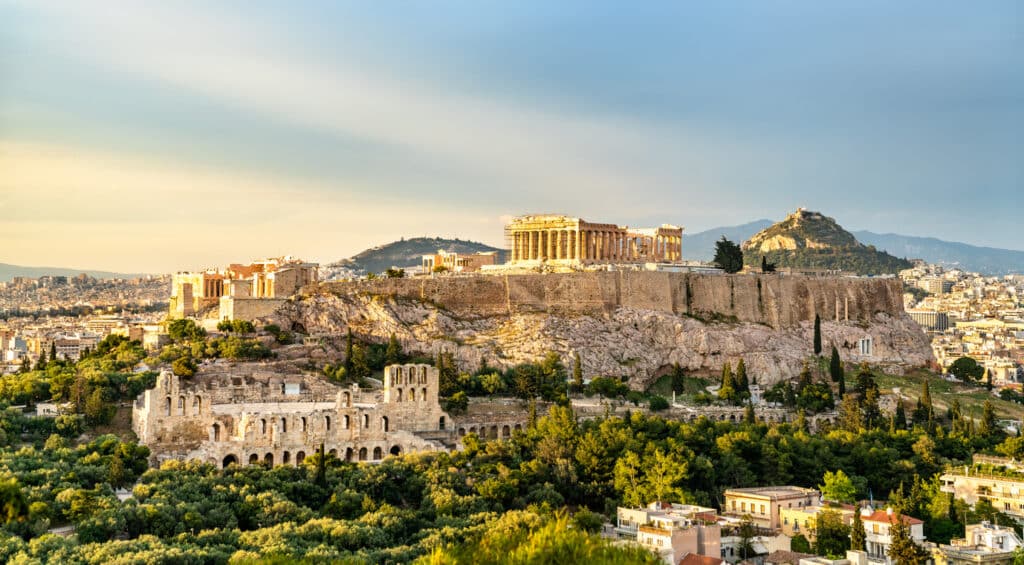
The Acropolis
The Acropolis of Athens, UNESCO world heritage in Greece

Constructed in the 5th century BCE, the Parthenon’s Doric columns and intricately carved friezes are a testament to the skill and aesthetic sophistication of ancient Greek architects and craftsmen. This iconic temple served not only as a place of worship but also as a symbol of the city-state’s cultural and political achievements.

As the focal point of the Acropolis, the Parthenon encapsulates the ideals of classical Greek art and architecture, with its harmonious proportions and dedication to the goddess of wisdom. Today, the Acropolis stands as a UNESCO World Heritage Site, inviting visitors to immerse themselves in the cultural legacy of ancient Athens and marvel at the enduring beauty of the Parthenon.

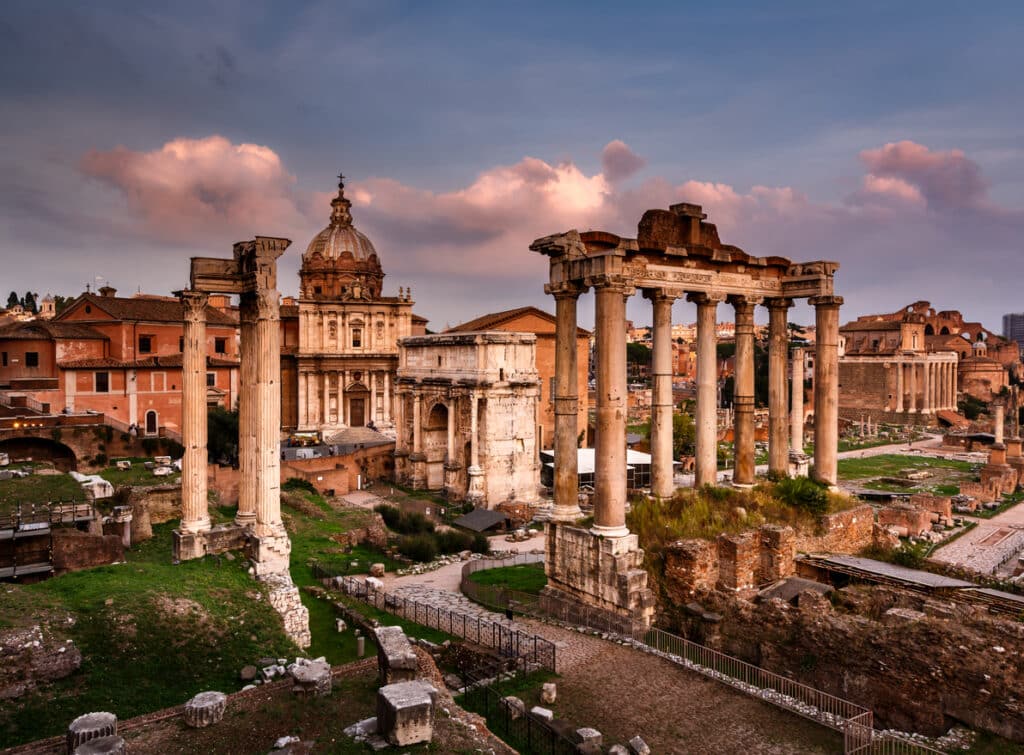
The Roman Forum (Italy)

At the heart of Rome lies a historical nexus – the Roman Forum, a rectangular expanse bordered by the remnants of vital ancient government structures. This hallowed ground, pulsating with the echoes of centuries past, served as the epicenter of Roman public life for generations.

The Roman Forum
Roman Forum (Foro Romano) and Ruins of Septimius Severus Arch and Saturn Temple at Sunset, Rome, Italy

Encircled by the vestiges of significant governmental edifices, the Roman Forum was a bustling hub where the political, religious, and commercial facets of Roman society converged. Temples, basilicas, and arches adorned its periphery, testifying to the grandeur of a bygone era.

For centuries, the Forum bore witness to momentous events, political debates, and civic ceremonies. It was here that the pulse of Roman life reverberated – a place where emperors addressed the masses, legal disputes were settled, and religious rites unfolded. Today, as a captivating archaeological site, the Roman Forum invites modern visitors to tread upon the same cobblestones that once bore the weight of ancient senators and citizens, offering a tangible connection to the enduring legacy of Rome.

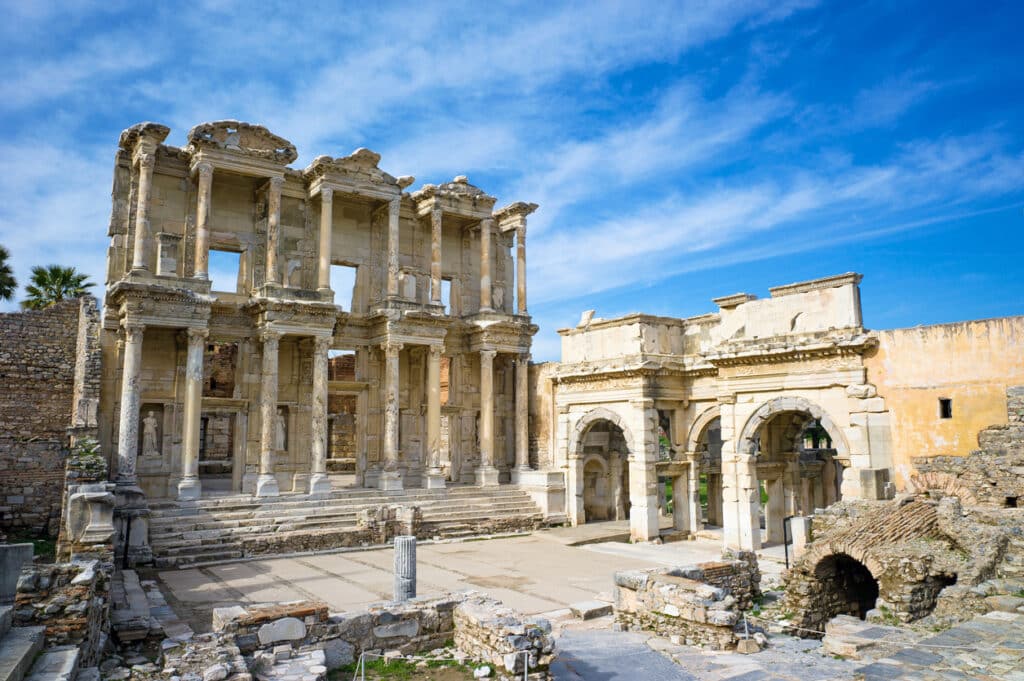
Ephesus (Turkiye)

Ephesus, an ancient Greek city that later evolved into a prominent Roman metropolis, stands as a testament to the crossroads of civilizations. Found in present-day Turkiye, its well-preserved ruins are a captivating journey through time, showcasing the architectural splendors of both ancient cultures.

Ephesus
Library of Celsus in Ephesus ancient city, UNESCO world heritage site in Selcuk, Turkiye

Prominent among its remnants is the Library of Celsus, an architectural marvel that once housed thousands of scrolls. Its elaborate façade and grandeur evoke the intellectual richness of ancient Ephesus. The Temple of Artemis, one of the Seven Wonders of the Ancient World, adds to the city’s allure with its monumental columns and religious significance.

The Great Theatre, a colossal amphitheater, epitomizes Ephesus’s cultural vitality. With a seating capacity of 25,000, it hosted theatrical performances, gladiator contests, and civic gatherings.

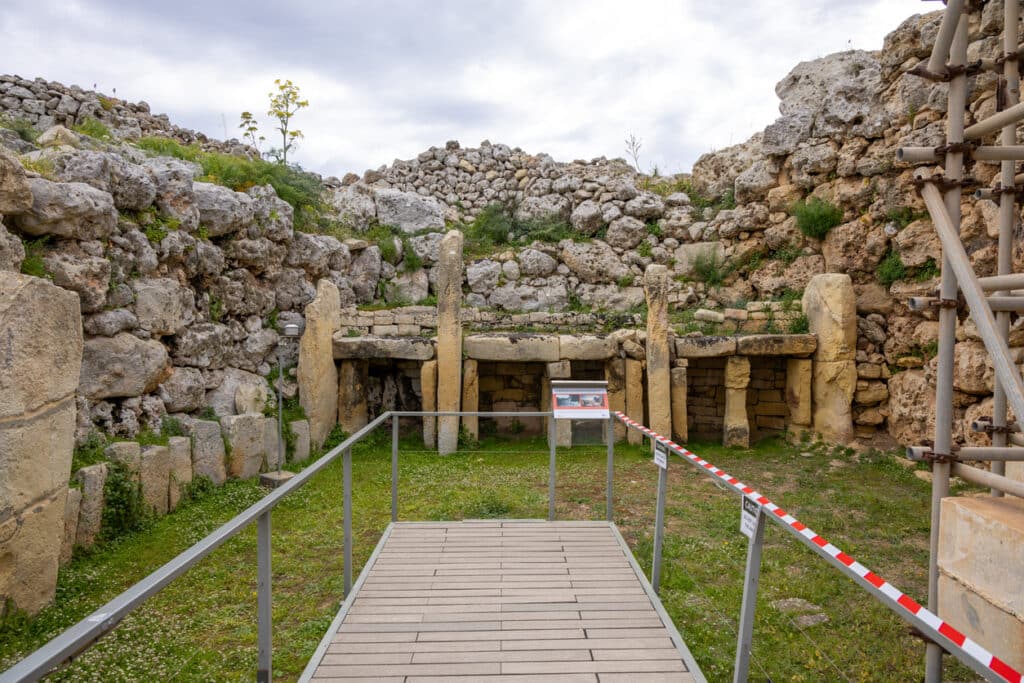
Megalithic Temples of Malta (Malta)

The megalithic temples of Malta, dating back to 3600 BCE, stand as awe-inspiring sentinels of a distant past, making them some of the oldest free-standing structures on Earth. Nestled in the Mediterranean archipelago, these prehistoric marvels are not merely archaeological relics but enduring testaments to the ingenuity of ancient builders.

Megalithic Temple Complex, Malta
Ggantija, Gozo Island, Malta – April 15th 2023: Ggantija is a megalithic temple complex from the Neolithic era on the island of Gozo in Malta, tourist attraction

Designated as UNESCO World Heritage Sites, these temples, including Ġgantija and Ħaġar Qim, exhibit intricate stonework and architectural sophistication that defy their age. Serving as sacred spaces for ritualistic practices, these structures offer glimpses into the spiritual beliefs of their Neolithic creators.

As monumental landmarks, the megalithic temples of Malta invite contemporary visitors to traverse the millennia, touching the very stones that bear witness to the rituals and daily life of prehistoric communities.

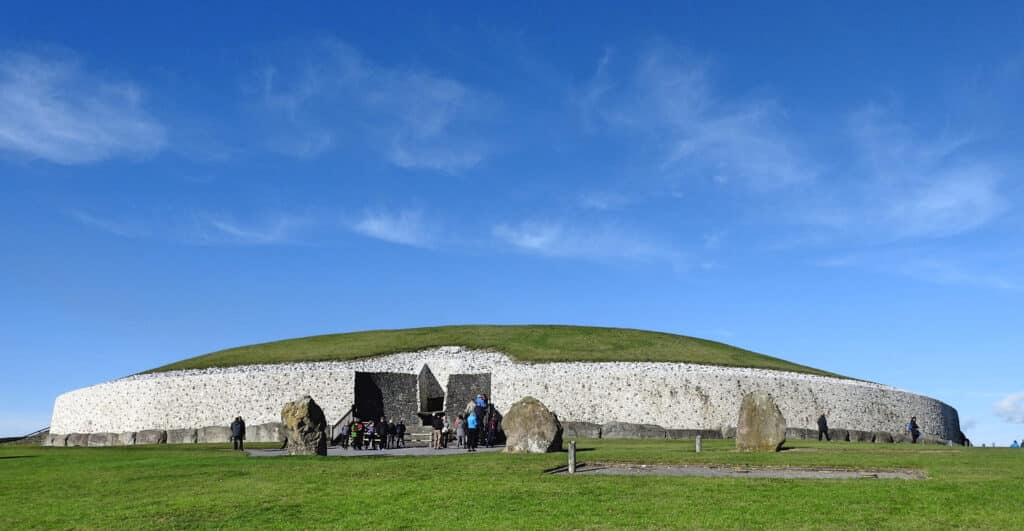
Newgrange (Ireland)

Newgrange, a prehistoric marvel located in County Meath, Ireland, transcends time as a Neolithic passage tomb crafted around 3200 BCE. This ancient structure, older than Stonehenge and the Great Pyramid of Giza, captures the ingenuity and celestial awareness of its Neolithic builders.

Newgrange, Ireland
18th October 2018, Co Meath, Ireland. Newgrange neolithic prehistoric stone age passage tomb mound.

Notable for its alignment with the winter solstice, Newgrange showcases a remarkable understanding of astronomical phenomena. As sunlight pierces the passage during this celestial event, it bathes the tomb in an ethereal glow, illuminating its inner chamber.

Beyond its celestial alignment, Newgrange is renowned for its megalithic art – a testament to the artistic capabilities of its ancient creators. The intricately carved stones depict spirals, geometric patterns, and symbolic motifs, offering a glimpse into the spiritual and cultural significance of this sacred space.

As a UNESCO World Heritage Site, Newgrange beckons modern explorers to traverse its ancient thresholds, unlocking the mysteries and marveling at the artistic and astronomical prowess encapsulated within its timeless stones.

Pompeii and Herculaneum (Italy)

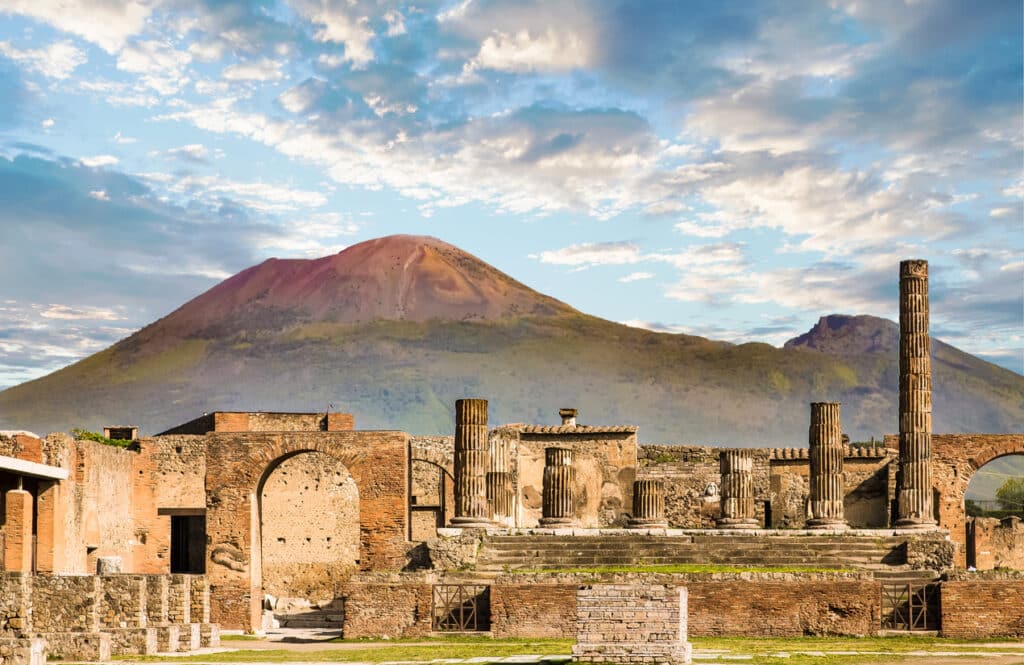
Pompeii and Herculaneum, ancient Roman cities frozen in time, bear the indelible marks of the catastrophic eruption of Mount Vesuvius in 79 CE. Enveloped in ash and lava, these once-thriving urban centers lay hidden for centuries until modern excavations unveiled a remarkably preserved glimpse into daily life during the height of the Roman Empire.

Pompeii
Ancient walls in Pompeii with volcano Vesuvius in the background

The excavations of Pompeii and Herculaneum have unearthed a treasure trove of well-preserved buildings, intricate frescoes, everyday artifacts, and poignant human remains. The remarkably intact structures, from lavish villas to bustling marketplaces, provide a vivid snapshot of Roman urbanism and societal norms.

As archaeological time capsules, these sites transcend mere historical record-keeping. They offer contemporary visitors an immersive journey through the Roman past, where the tragedy of a volcanic eruption paradoxically preserved the vibrant essence of two ancient cities, frozen in the throes of a catastrophic moment.

Avebury (United Kingdom)

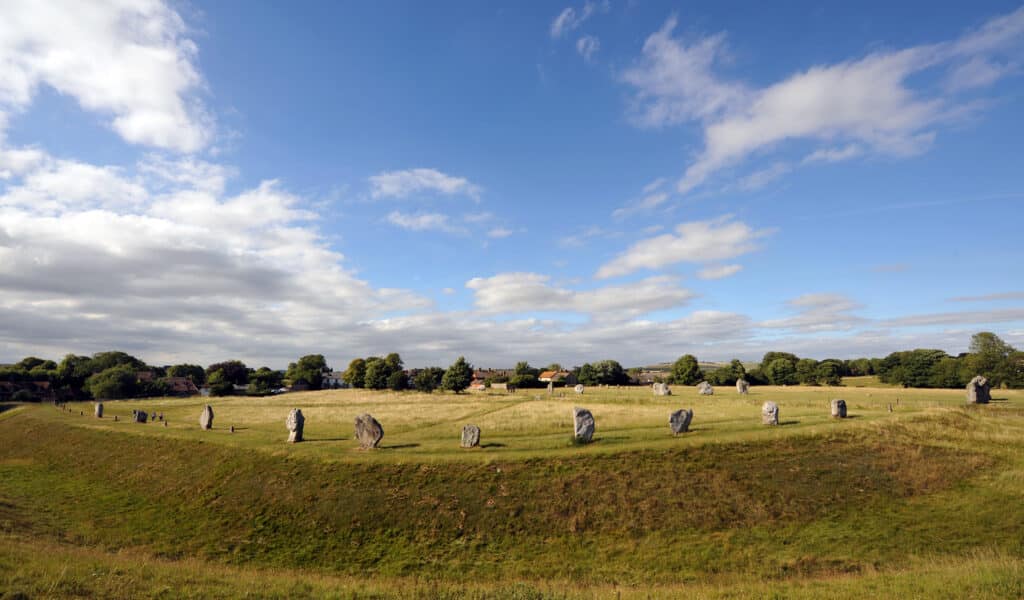
Akin to Stonehenge, Avebury stands as a monumental Neolithic henge, but it surpasses its iconic counterpart in scale and complexity. Situated in Wiltshire, England, Avebury encompasses a vast circular bank and ditch, encircling an expansive space within which unfolds a captivating arrangement of ancient stones.

Avebury
“Avebury is the site of an ancient monument consisting of a large henge, several stone circles, stone avenues and barrows, surrounding the village of Avebury in the English county of Wiltshire. It is one of the finest and largest Neolithic monuments in Europe, about 5,000 years old.”

At the heart of Avebury lies a large outer stone circle, a colossal testament to the Neolithic builders’ ingenuity and communal effort. This massive ring of stones encloses an extensive area, symbolizing the significance of this site within the ancient landscape. Avebury features not only one but two smaller stone circles within its protective embrace, each exuding its own enigmatic aura. Avebury stands as an archaeological marvel, a testament to the enduring mysteries of ancient ritual landscapes.

These sites offer a glimpse into the diverse and rich history of Europe, spanning various civilizations and time periods.

Read 15 OF THE BEST UNESCO DESTINATIONS FOR WOMEN OVER 50.

Visit UNESCO’s full list of Heritage Sites.

Let’s Have a Conversation:

Have you been to any of these ancient sites? Are you planning a trip to an ancient site or landmark? Tell us about it in the comments below.

Read More

Is It Possible to Garden for Life?

Spring 2026 was one for the record books! Yes, it was very dry in April, and very wet and unexpectedly chilly in May. But climate conditions were not the cause for alarm. The issues of concern were my noticeably diminishing stamina and body resilience while completing all the same gardening chores I’ve done at my home for the last 15 years.

Spring 2026 was one for the record books! Yes, it was very dry in April, and very wet and unexpectedly chilly in May. But climate conditions were not the cause for alarm. The issues of concern were my noticeably diminishing stamina and body resilience while completing all the same gardening chores I’ve done at my home for the last 15 years.

My wooded, shady “Japanese-esque” property might be different from your standard flower beds and lawns, and its requirements have always been within my range. There are no lawns to mow (replaced by gravel walkways) and no dirt to dig on ground level. The main tasks include maintenance of four pachysandra beds contained within stone boundaries, a roadside parade of Ostrich ferns with some companion shady, deer resistant perennials, raised vegetable garden boxes and various large pots on rolling castors on the deck, including two miniature citrus trees. Sounds manageable, doesn’t it?

The emphatic answer is “NOT THIS YEAR!” The first notification that my 73-year-old self would feel differently was after a 2-3-hour stint, pruning pachysandras on only two of the four beds. Yes, they were neglected, having grown way past their stone boundaries. Yes, I was sitting on a little stool for the entire process. Unfortunately, my lower back did not get the memo that this task was a new challenge.

The next bodily notification was when I decided to plant all three raised vegetable boxes on my deck, all the hummingbird/bee attractors, and repot the citrus trees. Not paying attention to time, not drinking enough water, and not breaking for lunch all invited my lower back and stamina to a very dark place.

What Is Going on in the Gardening World with Senior Bodies?

I am happily at a place in my life where I am never competing with younger folks. The office dramas are gone, I’ve made peace with driving during daylight hours and avoiding highways when I can (which I’ve also written about), but I hadn’t yet extended these same courtesies to myself while gardening, and my body vociferously protested!

The quick answer to my dilemma is mechanical in nature: there are predictable, age-related changes in muscle strength, and joint flexibility as well as difficulties with body temperature regulation (soaked tee shirts and bandanas) and diminished skin resilience (where did that big scratch come from)?

All of these “lovelies” result in a gardening session with reduced energy for digging, pushing and carrying (caused by sarcopenia); weakened grip strength, noticeable while pruning; and not so subtle reminders from the knees, hips and lower back, courtesy of joint degeneration. In addition, faulty balance and slower reaction times make work on uneven surfaces noticeably precarious.

Gardening Is Hard for People of All Ages!

While trying to decipher my new maladies and wondering how long I could keep soldiering through my tasks each spring, I happily found a very encouraging YouTube video, courtesy of physical therapist Dr. Amy Konvalin. Posting on her YouTube channel, Physical Therapy for Everybody, Dr. Konvalin does a deep dive into the genesis of back pain from gardening and what seasonal gardeners of all ages can do about it.

Dr. Konvalin finds that many gardeners who are sedentary all winter act like weekend warriors at the first sight of a robin. Not accustomed to bending forward, twisting, and carrying heavy loads, these spirited gardeners try to do too much too quickly, using a body which has, for a long time, been sipping coffee and watching Netflix movies.

Gardening almost always involves bending forward, a movement rarely done in everyday life, hence the back strain. Eager gardeners can also forget how heavy those bags of mulch and soil can be when visions of gorgeous flowers and delectable veggies occupy the mind. In fact, all awareness of time and bodily needs seem to vanish in such rewarding tasks.

Her simple, easy to implement recommendations include switching between tasks every 15 minutes, stopping for breaks to eat and drink regularly, and stopping a task when you feel pain. Other ideas include holding heavy bags of gardening materials close to the body when walking and cutting off the top of the bag, turning it upside down and shaking out the contents, rather than holding the entire bag up and slowly removing the needed product.

She offers a simple PT tip to be done during gardening breaks when one feels pain, or after a gardening session: lay on the floor on the back with one’s knees bent, feet on the floor, arms outstretched. This reverses the curve of the back which results from prolonged bending over.

Pro Tips for Senior Gardeners

Common sense dictates that as one ages, it might be a good idea to reduce the number of beds to a small number close to the house (or fewer pots on an apartment deck). Raised beds, vertical gardening, trellises and hanging baskets provide wonderful venues for attractive plants without all the aches and pains of bending over.

Ergonomic tools such as power pruners, light weight long handled tools for digging and chopping up soil are helpful. Old tools can be wrapped in thick foam to make grasping them easier. Sit to stand helpers, small benches which have handles and can be reversed as kneeling pads or seats are a must! Finally, self-awareness of physical time limits is imperative. Working in the coolest hours of the day for limited amounts of time, sprinkled with breaks for food and drink are recommended.

Moving Forward with Adaptations

Thankfully, all my spring chores have been completed, and I am now benefiting daily. A cardinal vine, which usually doesn’t flower until August, has some blooms. All the little fertilizer spikes I put in the pots have made my plants bushy and bloom laden! The orange and lemon tree are beginning to blossom!

Note to self: I must record all the techniques I learned this year in my garden journal, and not set out on the first day of spring 2027 hoping to accomplish every goal.

My personal adaptations are many, and they include having the gravel walks sprayed in April with pre-emergent weed killer so I don’t have to spend the summer bending over pulling weeds. I’ve replaced all regular hoses with the very light weight contractable pocket hoses in three different areas. This makes watering the plants on the deck a snap, and the watering of the long stretch of ferns along the road less of a chore.

I’ve planted fewer plants on the deck. Also, I am not taking all the heavy tropical plants in my house outside for the summer. I’ve switched from terra cotta pots to plastic lookalikes, because they are easier to lift, and I asked for a battery powered leaf blower for my birthday!

Being kind to my body requires a spritz of insect spray, a sweat bandana around my forehead, and cool cotton clothing before venturing outside. I now fill up a thermos with ice water and break for a full lunch and rest after a reasonable period of work time. Next year I need to replace my too short little stool with a more body-friendly sit-to-stand product.

There is no doubt that the rewards of gardening are many. Practicing self-care in this realm is good practice for when it is also needed in other spheres of life.

Share Your Thoughts:

Have you faced any gardening challenges as you get older? What accommodations have you made? Have you given up gardening altogether?

Read More

Don’t Let Summer Slip Away: Create a Bucket List That Brings You Joy

Don't Let Summer Slip Away Create a Bucket List That Brings You Joy

When was the last time you made a summer bucket list?

Not a grocery list.

Not a to do list.

Not a list of projects waiting to be completed around the house.

I mean a list filled with simple pleasures, small adventures, and experiences that make you smile.

Somewhere along the way, many of us stopped planning summers for ourselves. We became busy raising families, building careers, caring for loved ones, and managing life’s endless responsibilities. Summer became something we helped create for everyone else.

But what if this year was different?

What if you gave yourself permission to create a summer filled with joy, curiosity, and a little bit of fun?

Here are three reasons why making a Summer Bucket List might be exactly what you need this year.

1. It Gives You Something Fun to Look Forward To

There is something magical about anticipation.

Looking forward to an experience can lift our spirits and add a little excitement to ordinary days. A bucket list creates moments throughout the summer that make you think, “I can’t wait for that.”

The best part? Your list doesn’t need to be expensive, complicated, or Instagram worthy.

A few things on my own Summer Bucket List this year include:

  • Flying a kite on a breezy afternoon.
  • Walking the Seattle waterfront.
  • Visiting Christensen’s Nursery in Mount Vernon and wandering among the flowers.
  • Enjoying a Baseball Nut ice cream cone from Baskin Robbins.
  • Inviting friends over for brunch in the garden.

None of these are grand adventures. But each one will bring a little joy to my summer.

Sometimes that’s enough.

2. It Helps You Break Out of Routine

Have you ever reached September and wondered where the summer went?

It’s easy to fall into familiar routines and realize too late that another season has passed by.

A bucket list encourages us to be intentional. It invites us to say yes to experiences we might otherwise postpone.

Maybe it’s taking a painting class.

Maybe it’s visiting a nearby town you’ve never explored.

Maybe it’s attending an outdoor concert, riding a ferry just for fun, picking berries at a local farm, or spending an afternoon reading in a hammock.

The goal isn’t to fill every weekend with activity.

The goal is simply to create moments that feel different from everyday life.

Often, those small adventures become the memories we treasure most.

3. It Opens the Door to New Possibilities

One of the things I love most about a bucket list is that it reminds us we’re still growing.

Bucket lists aren’t only about places to visit or things to do. They can also be about experiences we’d like to explore and interests we’d like to revisit.

Perhaps there’s a hobby you’ve always wanted to try.

Maybe you’d like to learn a new skill, volunteer for a cause you care about, join a club, or finally take a class that’s been sitting on your “someday” list.

For some women, that curiosity might even lead to exploring an encore career or considering a different job opportunity. Not because they have to, but because they’re interested in discovering what else might be possible.

The beauty of a summer bucket list is that there’s no pressure to make a big change.

Sometimes the most rewarding experiences begin with a simple question:

“What if I gave this a try?”

You never know where a little curiosity might lead.

What Will You Put on Your List?

As a Career and Life Coach, one of my favorite things is watching women give themselves permission to explore new possibilities, whether that’s a new hobby, a new adventure, or a new chapter.

A summer bucket list is simply another way of saying yes to yourself.

Your list might include travel, gardening, learning something new, reconnecting with friends, spending more time outdoors, or treating yourself to your favorite ice cream on a sunny afternoon.

There are no rules.

There is no perfect list.

The goal isn’t to accomplish everything.

The goal is to create a season you’ll remember.

My summer gift to you, a free Summer Bucket List Worksheet! Enjoy!

So Tell Us:

What’s one thing you’re putting on your Summer Bucket List this year? Share it in the comments below. You may inspire someone else’s next adventure.

Read More

Real Housewives of Rhode Island Season 1 Reunion Looks

Real Housewives of Rhode Island Season 1 Reunion Looks

The Real Housewives of Rhode Island’s Season 1 reunion looks are IN and these babes in blue are totally giving “costal but make it glam” in shades of the sea, perfect for their inaugural looks. And whether you like sequins, sheer panels or pleats there is something for you. So if you’re as inspired as we by these dresses it’s just about time to shop and hit the Rhode in one of these looks for your next glam event.

The Realest Housewife,

Big Blonde Hair


Real Housewives of Rhode Island Season 1 Reunion Looks

Photos: @BravoTV


Originally posted at: Real Housewives of Rhode Island Season 1 Reunion Looks

Read More